

What Would Be Your Favorite Clean Amp And Favorite Dirty Amp
The 21 best guitar amps 2022: Our choice of the best combos, heads and pedalboard amps for all budgets and abilities
Included in this guide:
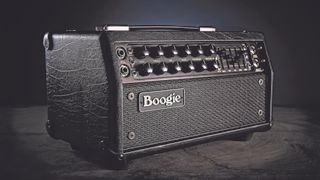
So you're buying yourself one of the best guitar amps? Well, it's 1 of the toughest and about important gear decisions you're likely to make. Luckily it's also one of the nigh fun - especially if you like to become nerdy about your gear. Don't get usa incorrect, finding the perfect pedalboard or electric guitar is not piece of cake either, but there'south just something most a guitar that lets you know it'due south the one . An amplifier? With so much to consider information technology'south a much harder choice to make.
It's crucial that you find yourself an amp that suits your needs. Subsequently all, a bad guitar can sound great through a proficient amp, but a naff amp will clip the wings of even the nicest of guitars. An amplifier's tones and response tin can besides brand a huge difference to your playing style - and certain amps will definitely respond differently to certain playing styles - so our advice is that when you discover an amp that you get forth with, don't permit that affair out of your sight!
This guide contains what we think are the 21 best guitar amps on the market right now. They're listed in price order to help you choose the correct amplifier for your budget, and you should find something for all styles hither as well. There's an amp in this guide for all occasions, and in a variety of formats, ranging from loftier-powered amp heads, to combos and super-portable pedalboard options.
Nosotros've included some super handy buying advice at the end of this guide for anyone who'd like to learn more than about buying one of the best guitar amps. If you lot'd like to read that buying advice, striking the 'ownership communication' tab in a higher place. It'll take you straight in that location.
If you'd rather get to the products, then keep scrolling.
All-time guitar amps: Our summit picks
We've really got three superlative picks for all-time amp right now. The Fender '68 Princeton Reverb offers some of the sweetest Fender tones you'll hear. Tune in for pristine, shimmering cleans that break up nicely, with onboard spring reverb and tremolo to sweeten your tone further. It'due south ideal for small gigs, recording and manageable plenty for the home – especially if your dirt comes via a pedal.
The Victory VC35 The Copper is a single-channel, 35-watt lunchbox head serving upward a sumptuous smorgasbord of rock and blues tones – the VC35 has got the sort of operation that invokes the "B" word. With an EL84 power section and a NOS EF184 pentode the season is very much British, with that winsome musical chime that calls to heed vintage Vox amps. Lovely stuff.
If you're afterwards the very best in amp modelling, and then look no further than the Neural DSP Quad Cortex . It's an all-in-one flooring unit, which is capable of some frankly incredible things. With thousands of amp models available from Neural DSP'due south Sound Library, and myriad different outputs, inputs and MIDI functionality, we're properly impressed.
All-time guitar amps: Under $/£500
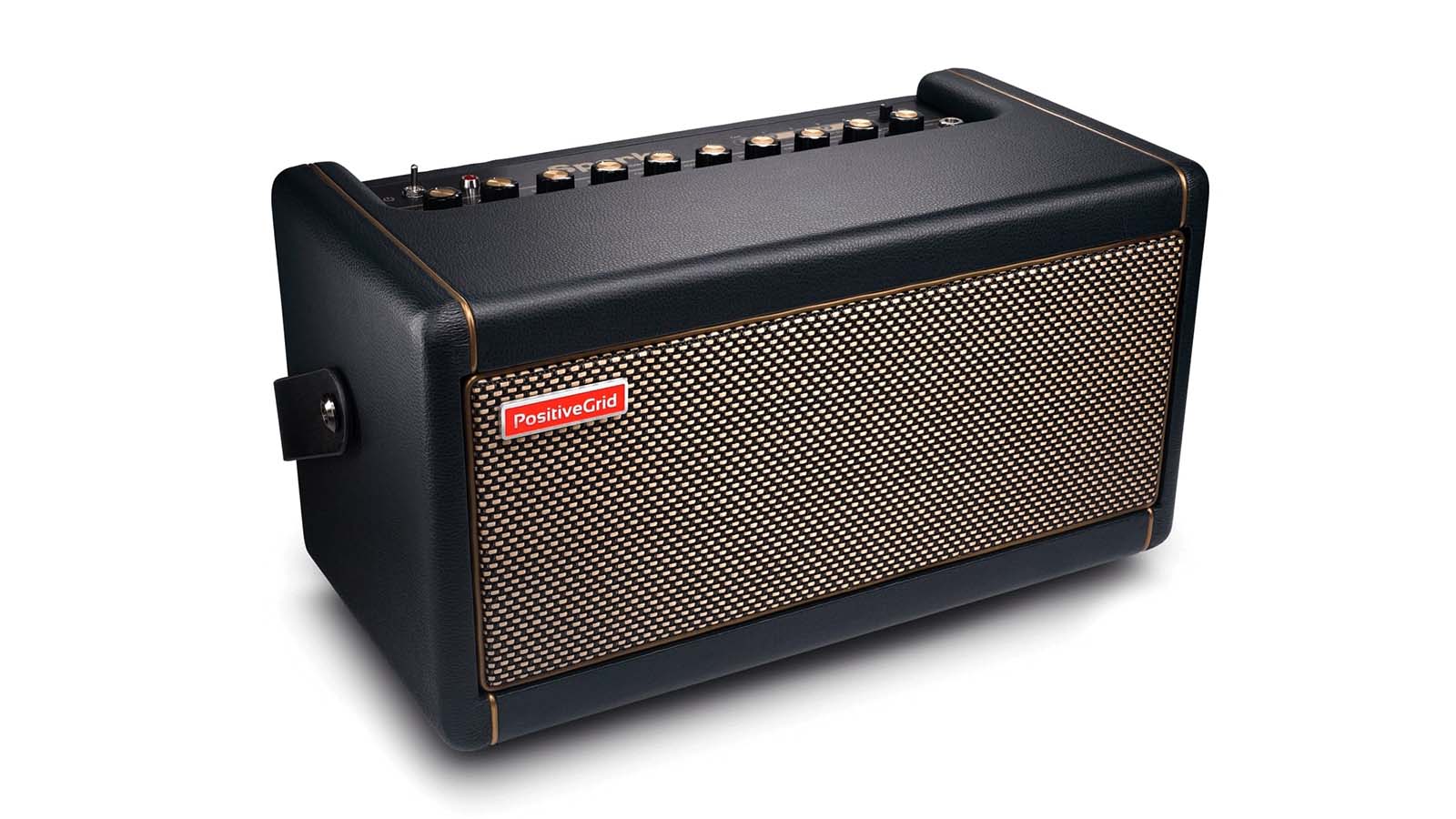
Where to start with the Spark forty? Well, it just stops brusque of cooking your dinner, but it has most other essential functions covered – and a few more too. Its cadre centres around Positive Filigree'due south BIAS Tone Engine modelling tech, which allows information technology to put together a formidable collection of amp models and cover all bases tone-wise.
Altogether are 30 amp models to choose from, and 40 effects, then information technology's punching big numbers already in the context of desktop amp functionality, simply with the accompanying app, the Spark offers a transformative experience. Information technology may well change how you think about guitar amplification.
The Spark's Smart Jam feature allows you to play some chords or a riff and the amp volition generate a bankroll runway for you to play to. Who needs friends? Auto Chord allows you to stream music from your mobile device to the Spark and it will transpose the chords so you tin play along. As a learning and practice tool, information technology doesn't get much better.
In that location are outputs for recording and silent do. Sure, it'southward 100 percent digital, but it feels counterpart, and crucially information technology sounds slap-up at depression volumes. When y'all crank the Spark, its dual 4" speaker setup fills the room with a sound that has no correct to exist so three-dimensional.
Early on adopters of the Spark have experienced some shipping delays, just things appear to be improving rapidly. Check here for the latest updates on shipping times.
Read the full Positive Grid Spark 40 review
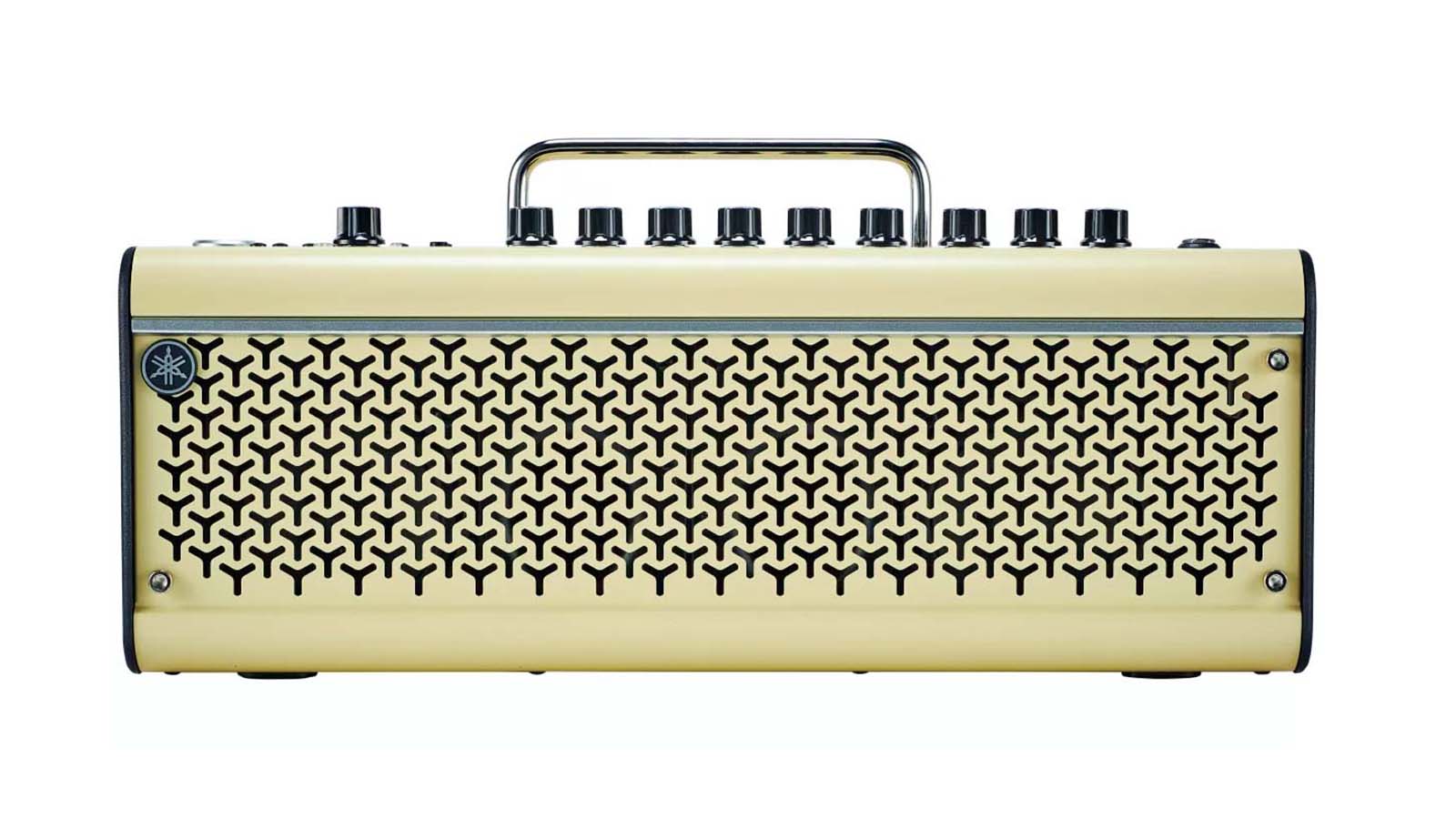
Yamaha'due south THR series remains groundbreaking. It looked to wearing apparel the guitar amplifier in dwelling house audio stylings, pack information technology with digital functionality that – crucially – was rooted in the feel and response of valve amplifiers, and make information technology portable.
Well, amps don't get much more portable than the THR30 II Wireless. It can be operated via the 15V DC ability supply, or, alternatively, charge it up and take it out with you lot to bask 15 watts of stereo solid-state power in the park, past the beach, on top of a skyscraper a la U2. Any you similar.
It is bundled with Cubase AI, has a very respectable complement of onboard effects, and with headphones and USB outputs it is a sound option for dwelling recording and late-dark exercise sessions. It also looks so adept yous could go out information technology in the living room without getting a ticking off.
Read the full Yamaha THR30 II review
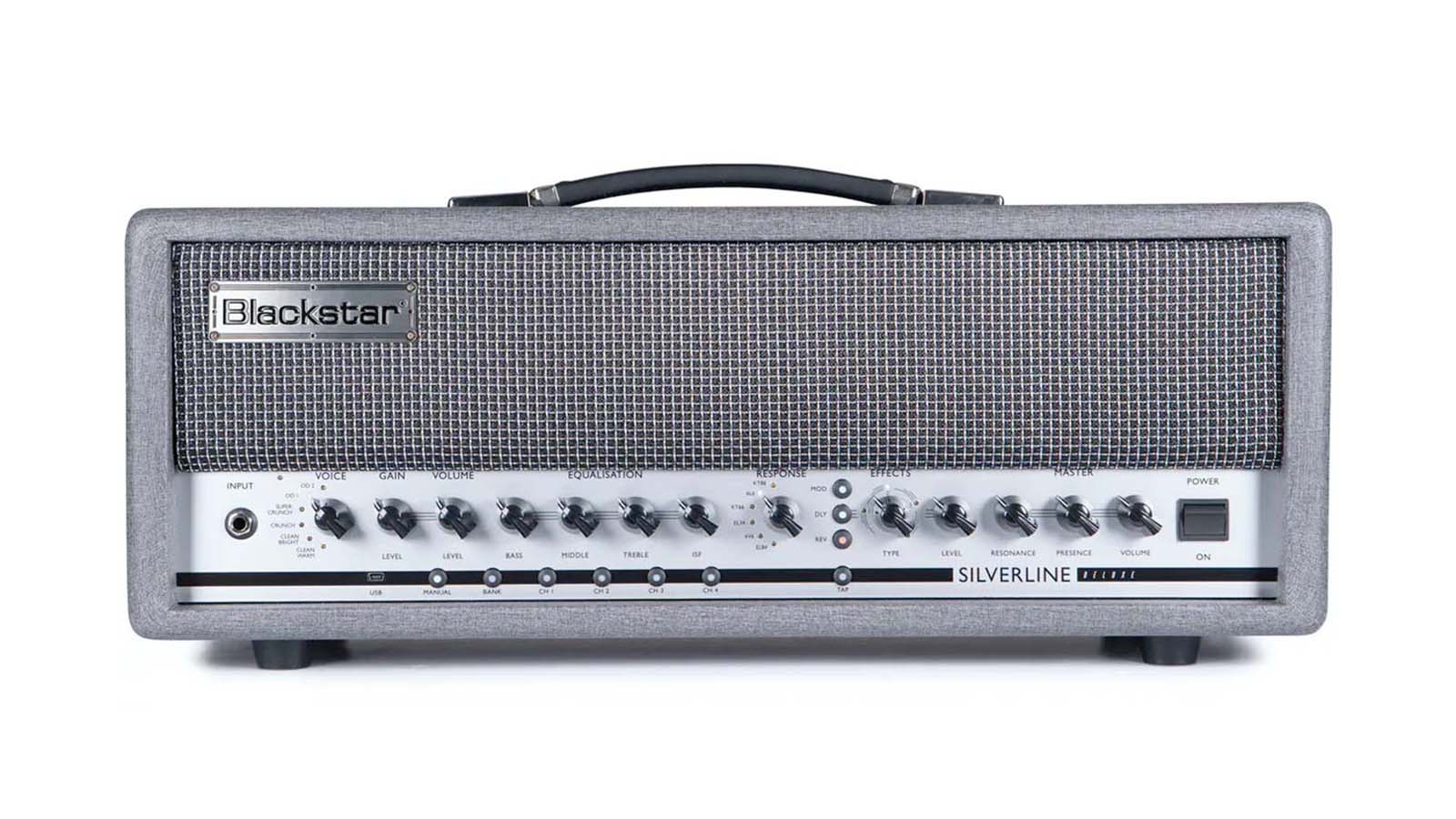
When Blackstar launched its Silverline serial, it was equally though digital modelling amplifiers had grown up, bought their starting time conform and got a real job. The "B" word was invoked, and with proficient reason, because the grey-silver on grayness designs, the feature-set up, the seriousness, brand everyone stop for a minute and consider their options.
With the Silverline, there are many. If you like the idea of the Silverline merely aren't looking for a head, the range also includes the 20W Standard 1x10", the 50W Special 1x12", the 100W Deluxe 1x12", and the 2x100W Stereo Deluxe 2x12" combos.
The setup and look on each is similar, with Blackstar's SHARC processing tech under the hood to go along the tones legit. In that location are effects, programmable settings, and TVP tech allowing you to select the power-tube emulation you prefer. They wait and sound similar real valve amps, but take all the mod cons that tomorrow's player needs today. Apparent, convincing, country-of-the-art.
Read the full Blackstar Silverline Deluxe review
Best guitar amps: $/£501 - $/£1,000
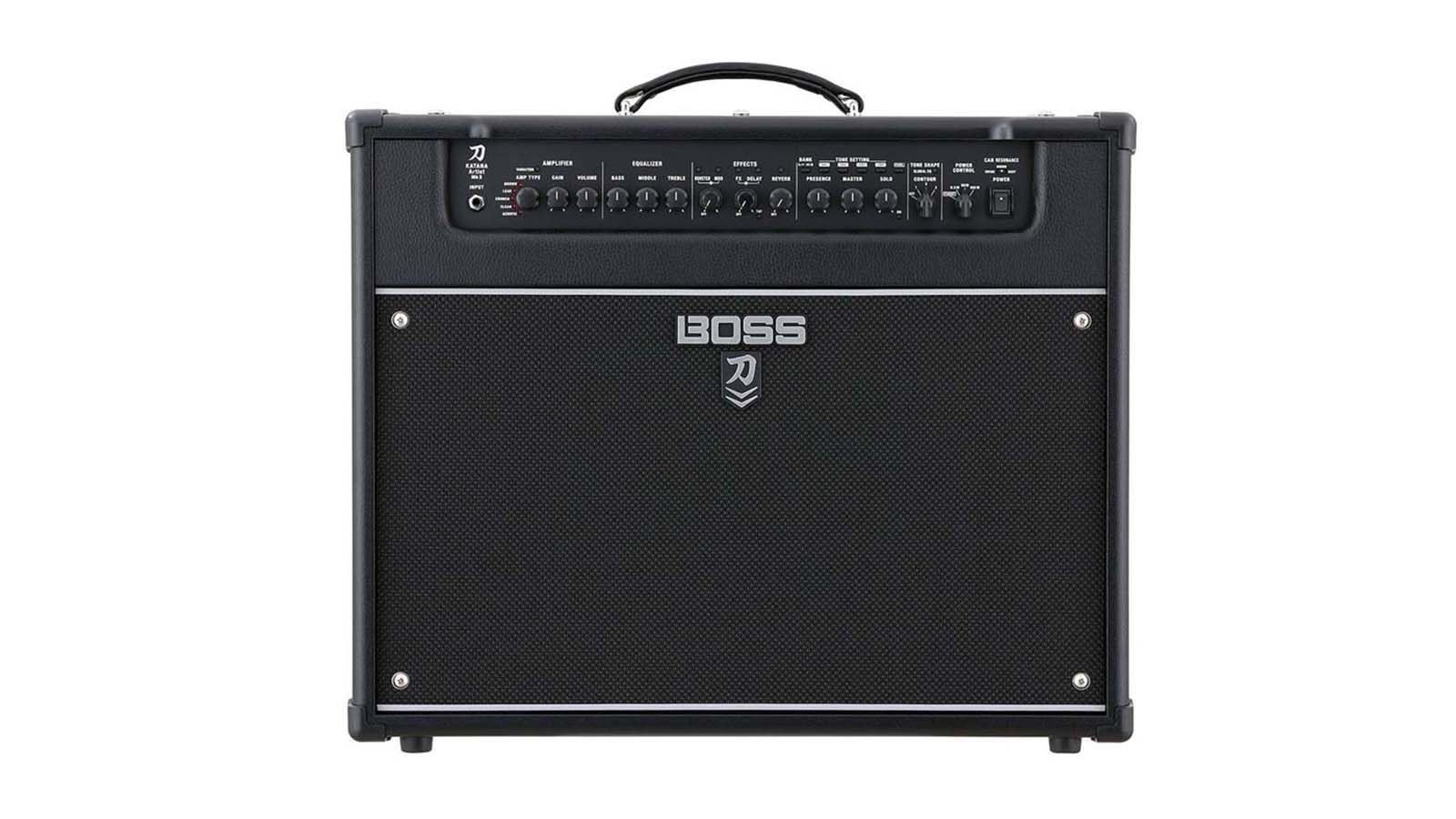
The Katana series has been a forepart-to-back triumph for Dominate, packing a scattering of amp models into small formats, loading them upwards with onboard furnishings and a heap of contemporary features and making them available at an accessible toll.
This Artist MkII combo is the flagship model, and while we'd happily endorse any of the Katana MkII amps, the additional MIDI functionality and an upgraded Waza Arts and crafts speaker is a big selling point.
For a digital amplifier, the front console is reassuringly familiar. Think of it as a 5-channel amplifier, with five amp modes, but with ii modes on each model information technology expands your tone options dramatically. This will do bell-like cleans, searing high-gain chug, and all in between, and with Boss's Tube Logic architecture, information technology all feels and sounds convincing. The onboard effects are top-grade and y'all can get more than online via the Tone Studio library. In that location's a rabbit hole to fall into, just chasing usable tones is a cakewalk.
Read the full Dominate Katana Artist MkII 1x12" review
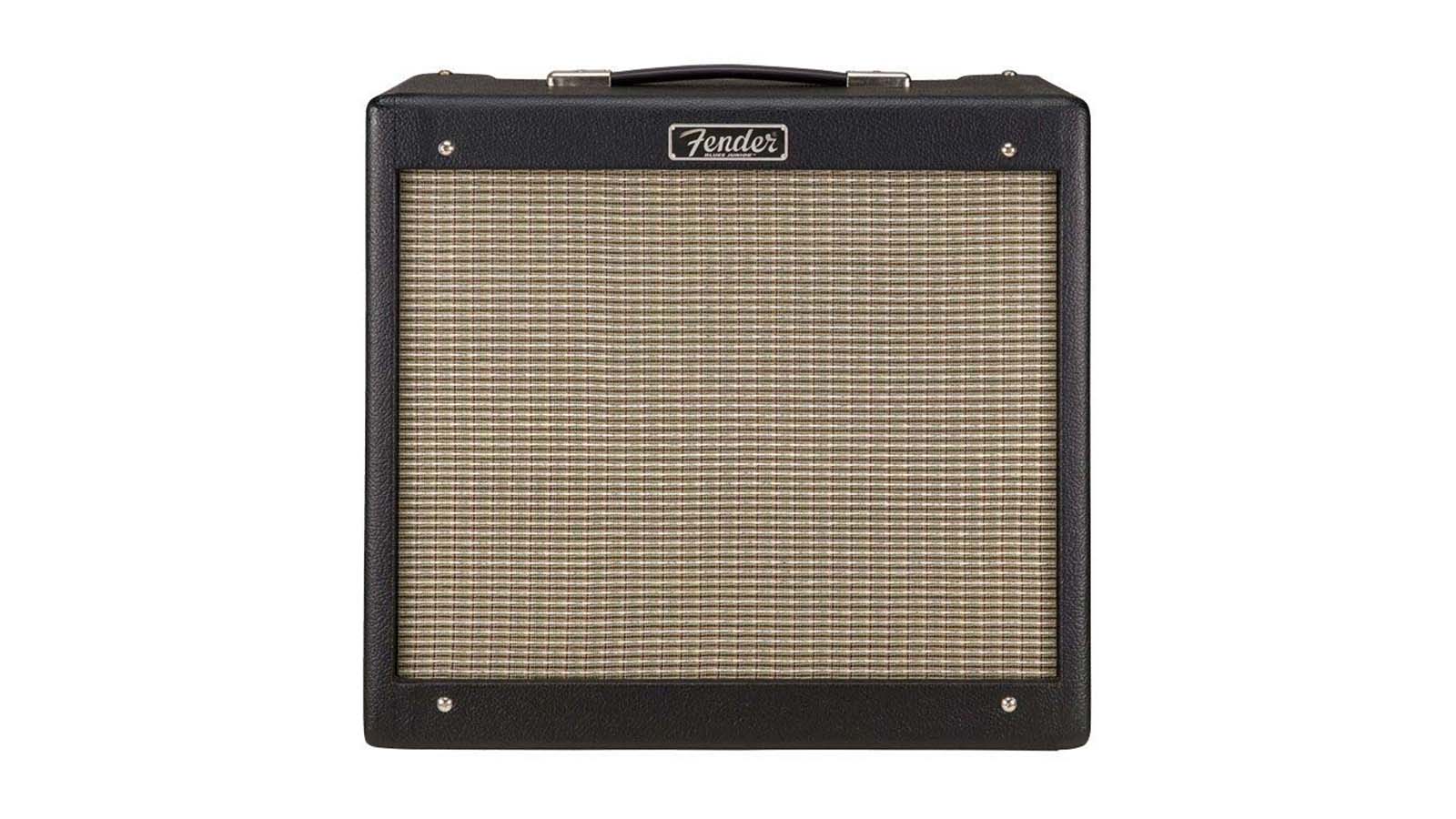
There is a reason why the Dejection Junior tops the best-seller charts for valve-amp combos. Its USP is putting classic Fender tones into a super-affordable parcel that's portable, fuss-free and is tooled for our nowadays moment where nosotros want great tube tones at low volumes and pedalboard compatibility.
But fifty-fifty earlier you lot bring your 'board into play, the tight low-end and sparkling high-end of the Dejection Junior will put a spell on you lot. The FAT switch is an act of pocket-sized genius, doing exactly what you'd imagine it would, widening the frequencies and adding a beer gut to your unmarried-coil tone.
The Fatty switch is really the only thing y'all'll find on the command panel that requires explanation, otherwise the Blues Junior is just a straight-up, fuss-free combo, and, cartel we say it, a modern classic. Drive it hard and you'll enter blues-rock nirvana.
Read the total Fender Blues Junior Four review
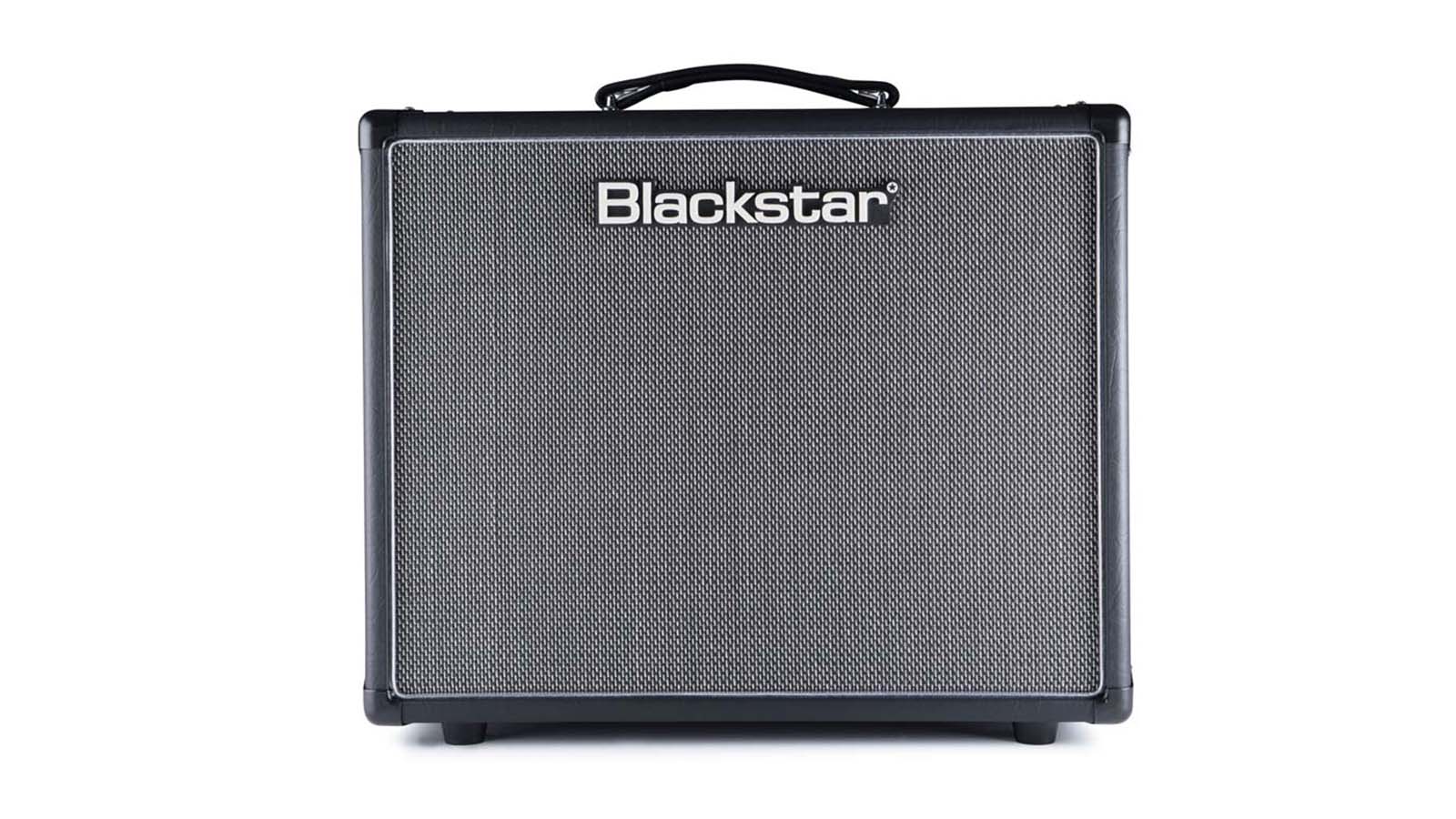
Offering plenty of change from a grand, Blackstar's Hour-20R MkII is a mid-priced valve philharmonic that does a very expert impression of an amp retailing at ii or three times the price. It is a two-channel amp with footswitchable overdrive voicings, and an uncanny power to play the field tonally.
The clean channel is a simple affair with a solitary tone control and a volume, with modes for scooped US tone – recall Fender et al – and a quintessentially British mode with tight mids and treble chime.
You could become lost in the cleans, adding a splash of reworked digital reverb that at present sounds studio-quality. Simply don't forget you've got an overdrive channel with Classic and High Gain voicings that will take you from classic '70s rock crunch through to contemporary metal. And all this from one package. Information technology's loud enough for the stage but you can power downward to ii watts for bedroom shredding. It's a remarkable feat of amp building.
Read the total Blackstar HT-20R MkII review
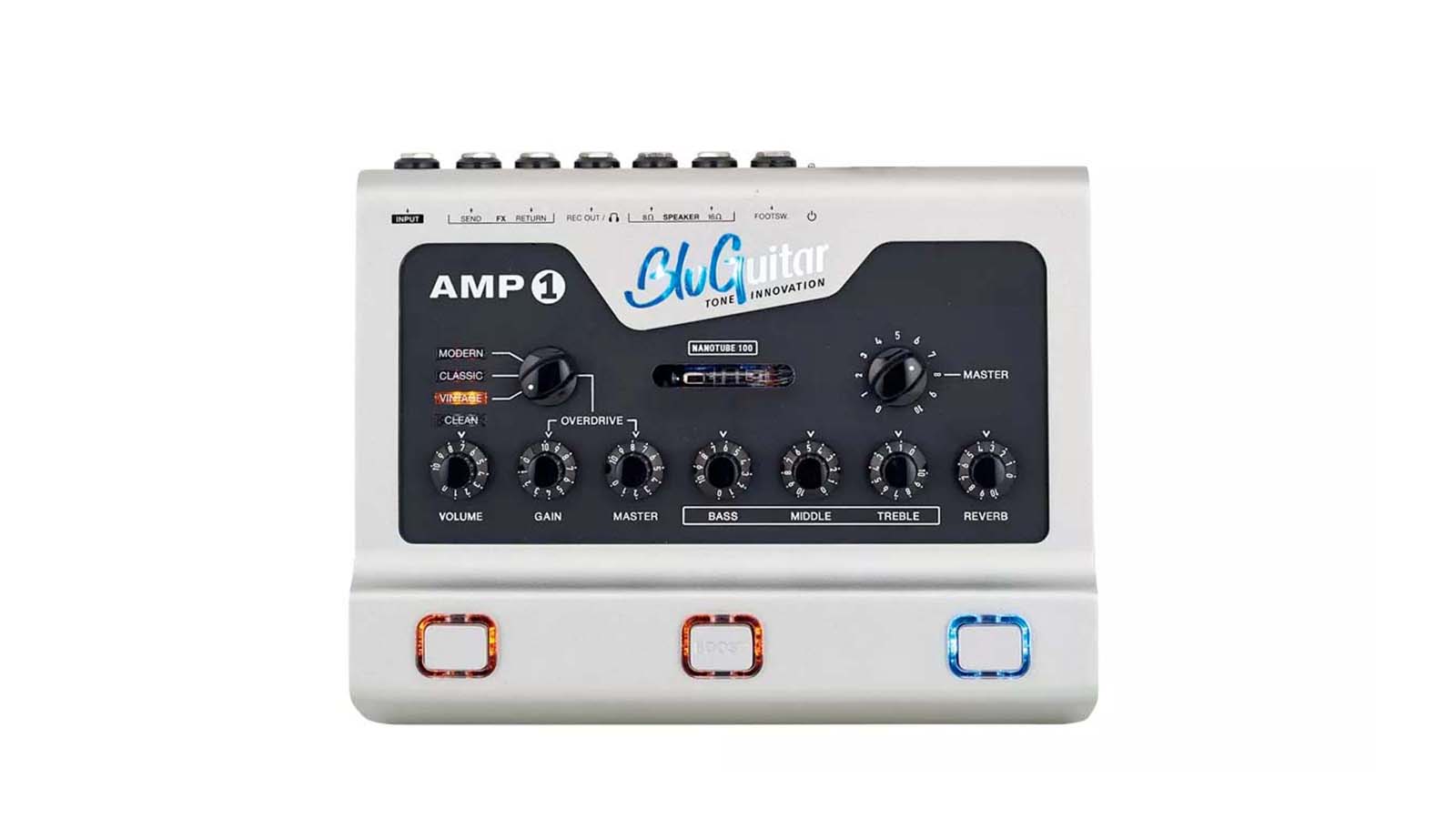
Like the best innovations in guitar technology, the Thomas Blug's Amp1 keeps all the clever stuff hidden from sight, assuasive players to concentrate on what is bluntly hard enough – playing the guitar.
Just the Amp1 actually is clever. It's the size of a multi-filibuster unit of measurement, you tin can throw it in a bag and take information technology wherever, and yet offers you four channels, 100W of Class D power, with some analogue mojo fairy grit by way of a sub-miniature Russian twin triode.
Simply select which channel you desire – Clean, Vintage, Classic, Modern – and dial in your tone via the three-band EQ and volume, master and gain controls. It'southward just similar a existent amp, and that's the point – it is. This is the shape of amps to come up.
Partner it with the Remote1 footswitch you can access all four channels, heave and reverb via MIDI, plus add together an ancillary main volume and adaptable power soak. You can save your settings down and utilise them as you might in a pedalboard. This is a futuristic amp for those squeamish about apps, software and digital sterility.
Read the total BluGuitar Amp1 Mercury Edition review
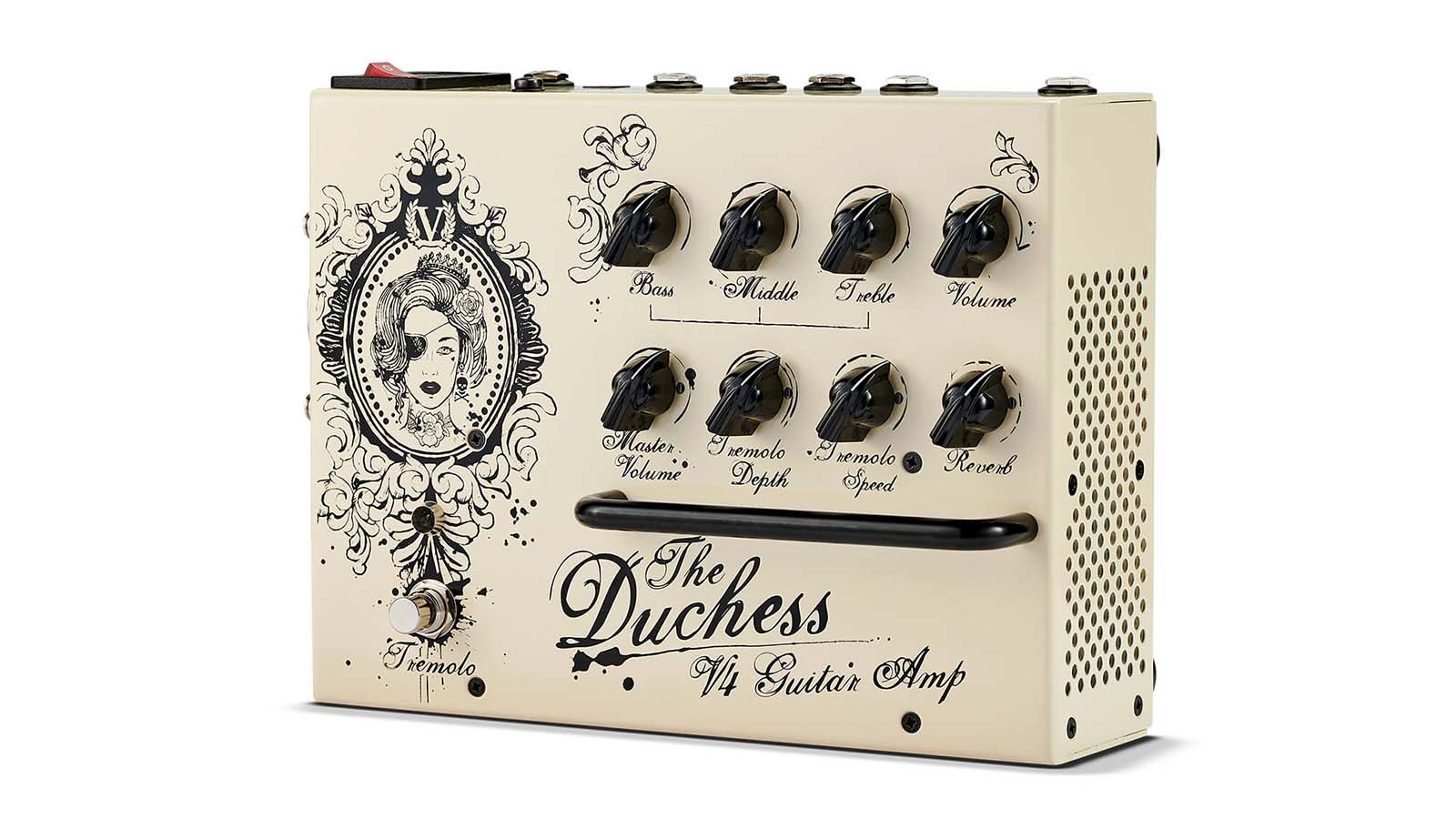
The Duchess Pedal Amp assumes a similar form to Victory'southward V4 series of pedal preamps, but it's a fully functioning amplifier with a whopping Class D power stage that delivers 180 watts at 4 ohms, and a truly lush valve-driven preamp that makes damn sure y'all don't mistake this equally just some kind of practical option for the gigging musician.
Sure, it is applied, but it is the tones that will have the pilus on the back of your neck standing to attention. Specifically, clean tones, and with a bazaar low-gain tone profile like that, it should come as no surprise that the Duchess just loves overdrive pedals.
The enclosure is super-tough, powder-coated steel, with its complement of chickenhead knobs protected by a raised steel boot bar. A single footswitch turns the tremolo on and off. For afoot players, this could exist the ultimate amp.
Read the full Victory V4 The Duchess review
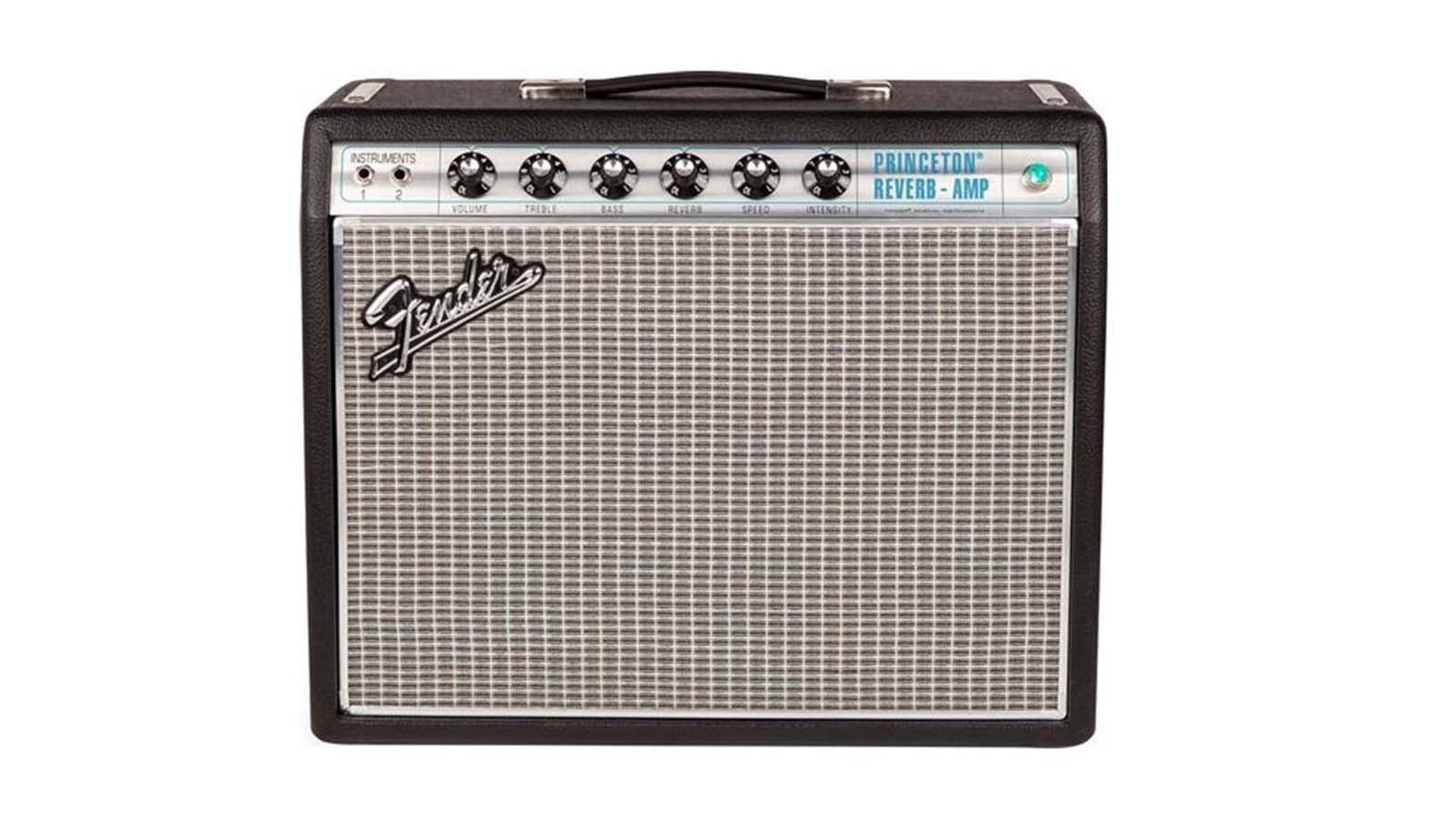
The Fender Princeton Reverb has long been considered the Goldilocks option for those looking for an all-valve combo with manageable volume, just one that's loud plenty for small shows.
There is a reasonable corporeality of headroom on offer, with its bell-similar cleans female parent'south milk to blues and country players, and every bit you crank up the volume you'll find a gritty breakup that's warm, musical and addictive.
This '68 reissue comes with the argent-console and aluminium grille cloth trim. Under the hood it has been tweaked by Fender so it volition have pedals better, with negative feedback reduced to enhance its response and bring on overdrive that little bit quicker. Nether the hood you'll find hand-wired valve sockets and custom-made Schumacher transformers. The tube-driven reverb and tremolo is divine.
Read our total Fender '68 Custom Princeton Reverb review
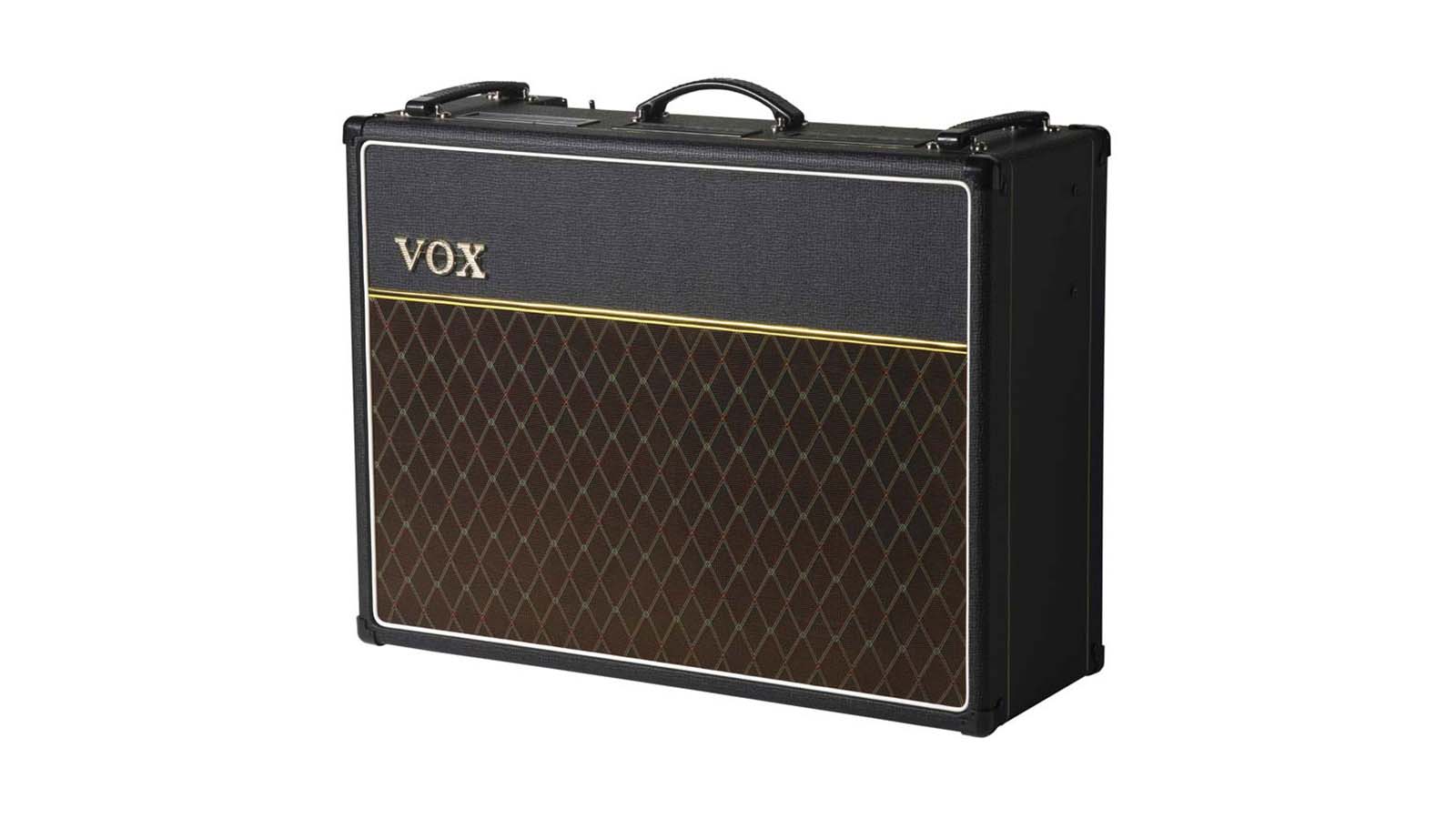
The new-ish AC15 'Twin' retains the all-important dual-EL84, cathode-biased output section of its forebear, merely otherwise it'south very dissimilar. A quick scan across the top panel reveals ii inputs for independent access to either normal or tiptop heave channels.
I benefit of the bigger, 2x12 enclosure is that information technology provides ample room for a total-length reverb tank, housed in the bottom. There'due south also an in-congenital tremolo effect, with controls for depth and speed.
Just the whole point of this amp is the pair of 25-watt Celestion G12M Greenback speakers. They are the speaker of rock in then many cases and while purists might hope for Celestion Blues, they would add together a off-white amount to the cost; and the increased power handling of two Greenbacks on the end of simply 15 watts is quite a tantalising prospect.
It'southward fair to say that even with the master book fix-upwards, the magic doesn't really start happening until the amp'south lungs are at to the lowest degree half way open up, simply happily, that's non far from perfect for many of today's pub and bar gigs – information technology may fifty-fifty exist too much for some.
Read the full Vox AC15C2 review
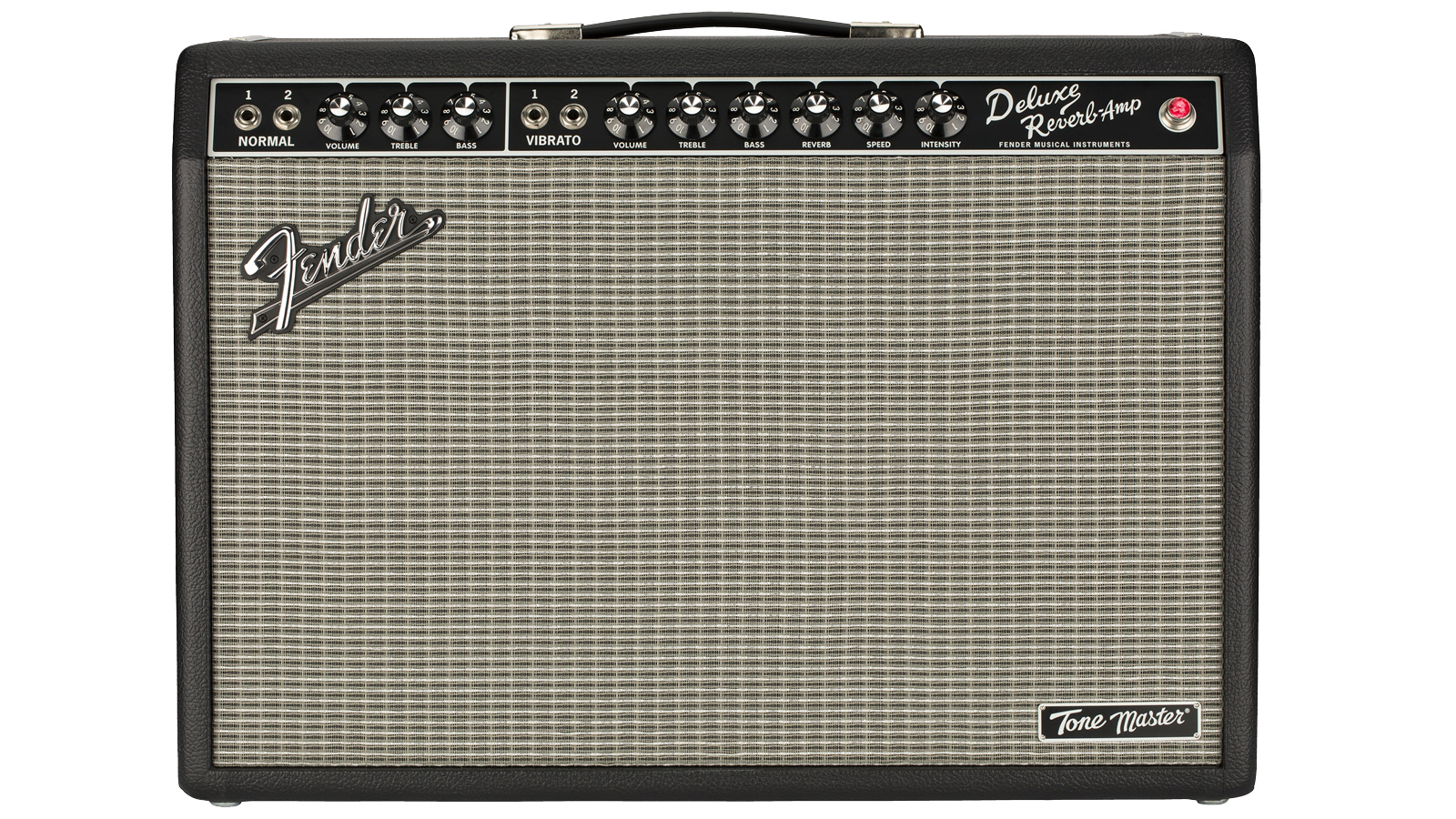
The Tonemaster series has been the heart of an interesting turn of events for Fender. Reissuing their iconic Deluxe and Twin Reverbs was merely ever going to exist a welcomed motion, but (and some of you may need to sit downwards for this) taking out the valves has definitely split opinion. Merely hey, dry out your eyes champ - because this Deluxe sounds just as good as any valve-ified version.
Relying on it's massive digital processing power to emulate the tone of an all-valve Deluxe, it admittedly holds its own. The sparkle and clarity we've come to await from Fender amps is all at that place, thanks in part to the 12" Jensen Due north-12K speaker amd the resonant aforementioned-as-the-original pino cabinet.
Every bit the Tonemaster is designed to replicate valve-esque breakdown response, Fender has as well included an in-built attenuator for those times when you need to bring it down a notch. The rear panel also contains a balanced line out with cab simulations, making this Deluxe great for silent recording or smaller gigs where mic'ing amps isn't possible. Oh, and it's one-half the weight of it'south all-valve predecessor. Fender has nailed it here, if nosotros do say and so ourselves.
All-time guitar amps: $/£ane,001 - $/£1,500
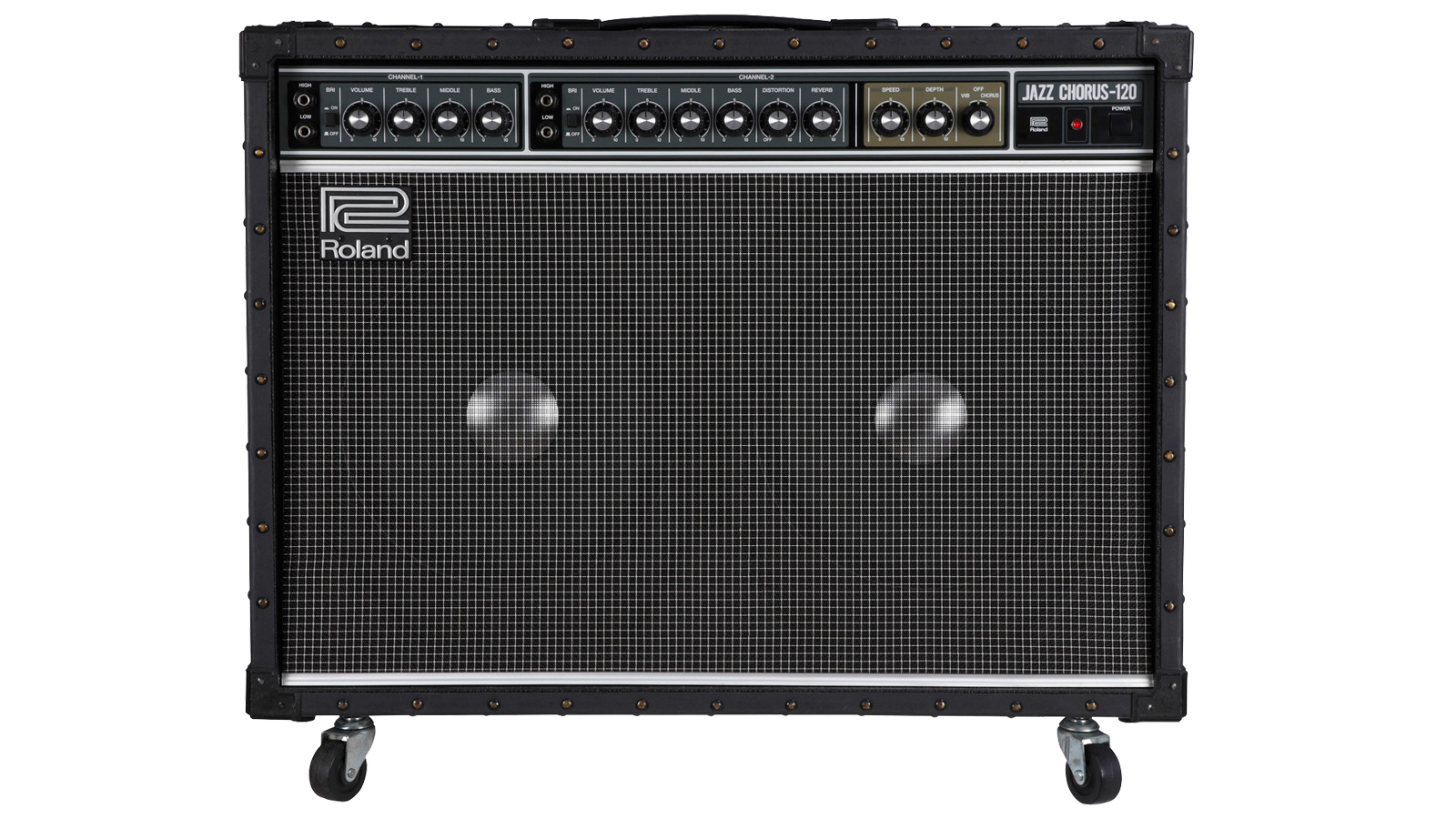
Since its release in 1975, the JC-120 has been on countless era-defining records. Andy Summers, Johnny Marr and Robert Smith have all been religious users of the Jazz Chorus line, in turn making it 1 of the well-nigh iconic solid state options of the last 45 years.
The JC-120 is named then due to the lush onboard stereo chorus effect that has made information technology so desirable. This is down to the fact that the JC-120 essentially has two 60w amps inside of it - one for each speaker - allowing for 'true' stereo rather than an approximation. In 'true' stereo, the JC-120's immersive chorus provides an nearly other-worldly playing experience.
It's an ideal pedal platform, too. With transparency and preservation of tone being fundamental features of the JC-120, y'all'll have no issues crafting your tone with additional pedals or other hardware. If you similar to use overdrive or distortion, a pedal is virtually a necessity with this amp - but you're not ownership an amp with 'Jazz' in the name for its gurn-inducing proceeds, are you?
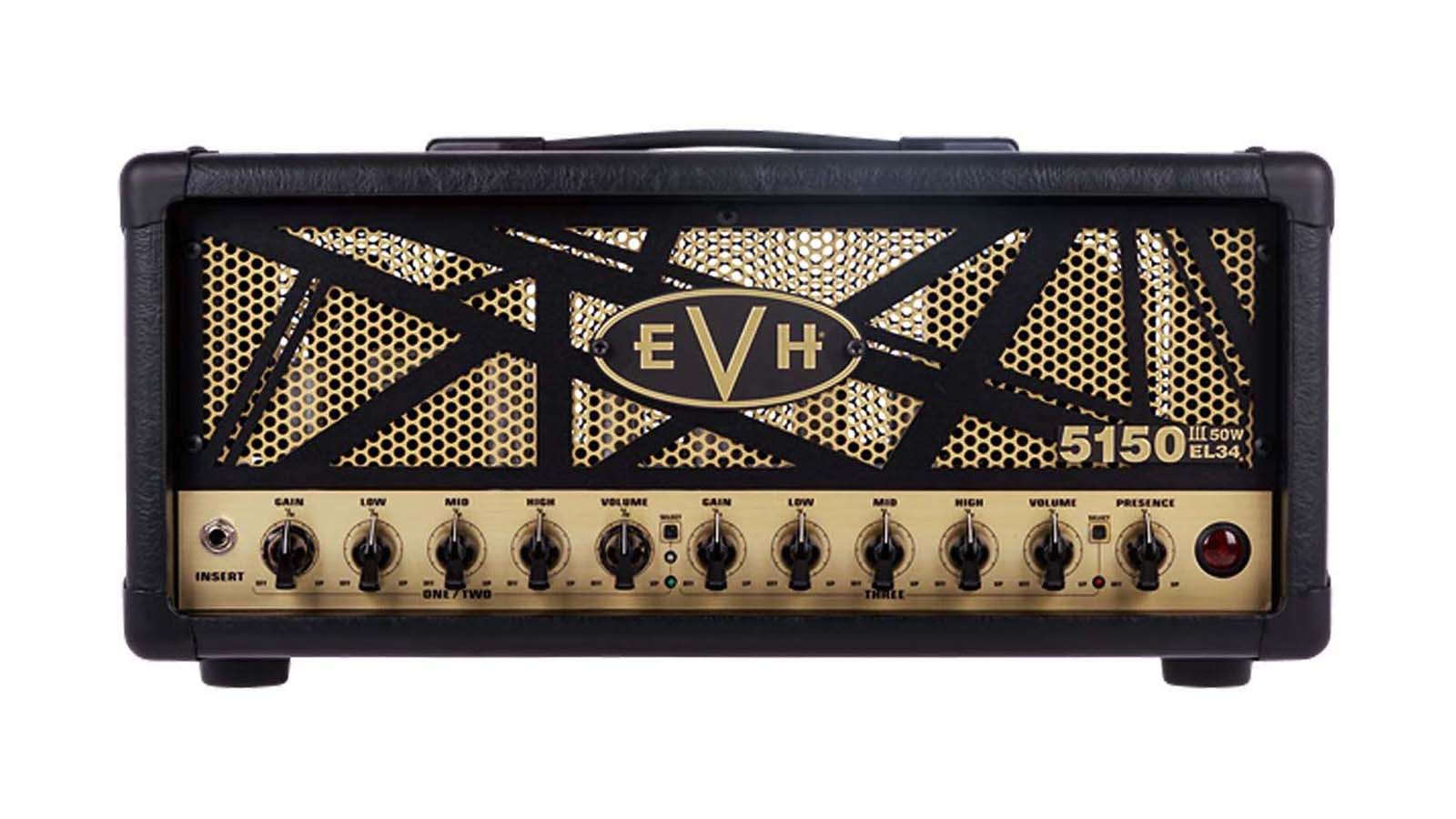
Sometimes you lot take to split the atom with a saturated level of gain that would violate health and safety in pretty much all other contexts, and that's an occasion where you lot'd hope to find the EVH 5150III on the backline.
This amp bears Edward Van Halen's initials on the forepart, so take it every bit read that you tin access that harmonically volatile weekend rock tone, but dime the lead aqueduct and you'll accept all the gain you need for contemporary metallic besides.
And yet, at that place'south subtlety and complication to exist found here – even at the extremes. The 5150III's gain is rich in harmonics. It is dynamic, and with the EL34 power tubes it takes on the tonal character of a hyper-trophied Marshall Plexi. This is guitar tone as spectacle, a roman candle of overdrive with a very usable make clean channel.
Read the full EVH 5150III 50W EL34 review
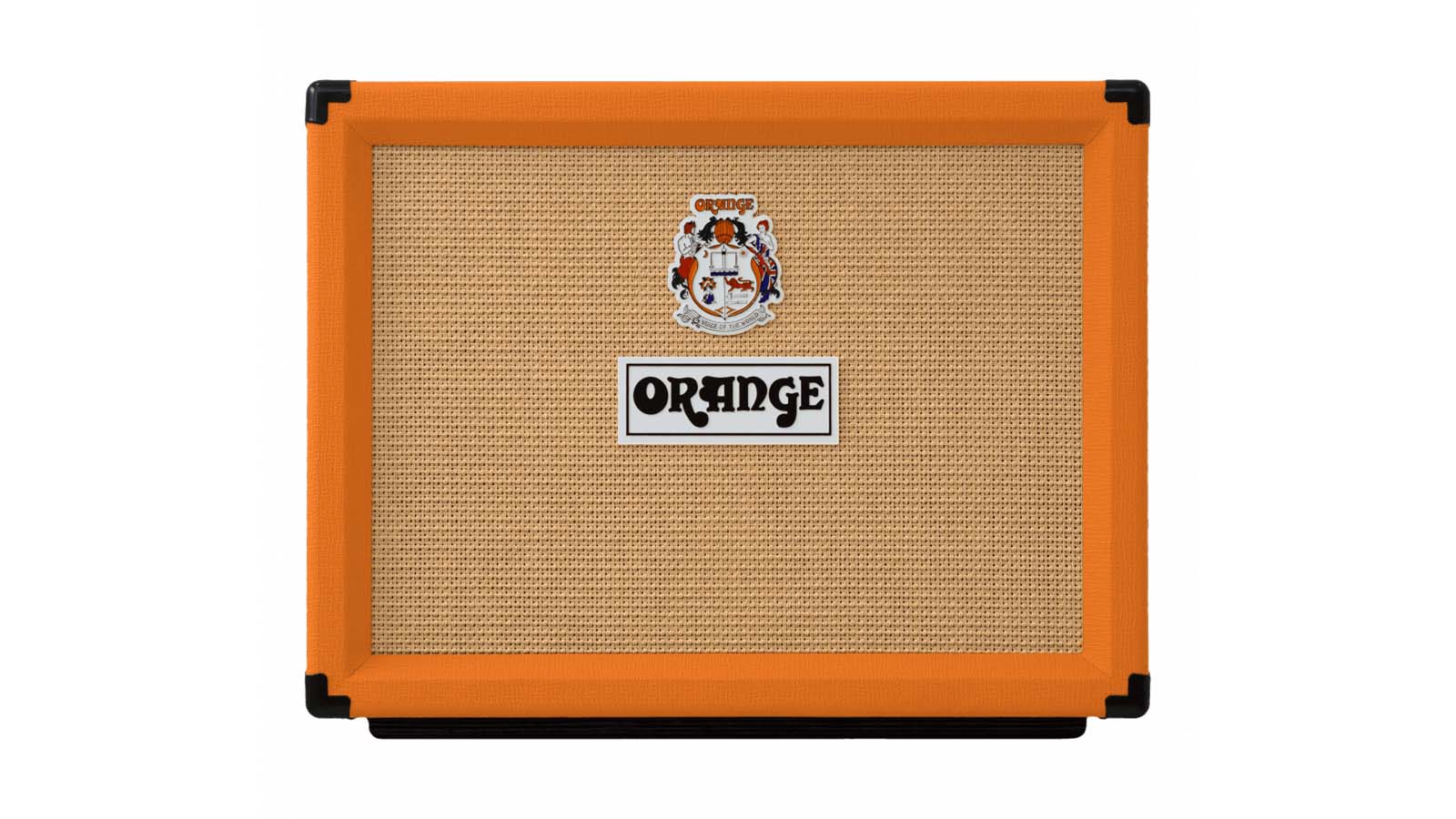
The Rocker 32's secret weapon is its stereo capabilities courtesy of two output stages and a mono out/stereo in valve-buffered effects loop – and information technology's this that opens the door to some tantalising effects possibilities. Information technology also features a half-power choice incorporated into the front panel standby switch.
The enamel command panel follows Orange'due south classic 1970s 'graphics just' format, using pictograms to describe the control functions. The Dingy channel includes gain, bass, mid, treble and master book controls, while the clean Natural aqueduct has a single volume command. The Natural channel may merely take a single book control, only it's perfectly dialled in to flatter practically any guitar and it sounds wonderful, with a glassy treble giving mode to an addictive chinkle at higher volume levels.
The Dirty aqueduct's gain control has a very wide range, allowing fine control of moderately driven sounds, with plenty of Night Terror-approved filth at the top of its travel, making it ideal for everything from archetype Brit rock and blues to modern metallic.
Read the total Orange Rocker 32 review
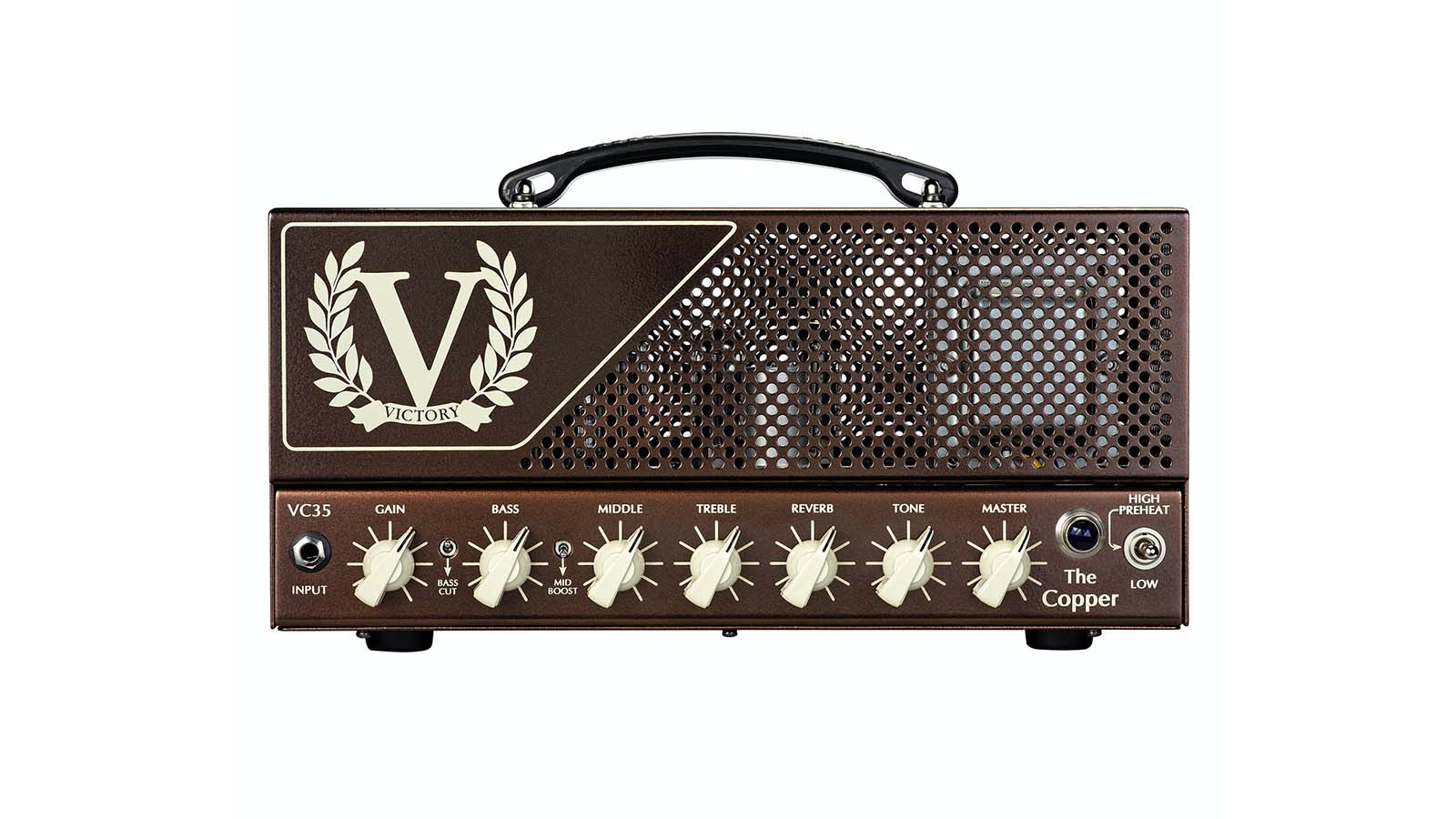
You could go through the Victory lineup and discover any number of contenders for a list such as this, merely there is a timeless British quality to the Copper's voicings that takes the cake.
The Copper deploys a NOS EF184 small-format pentode in the preamp that's non dissimilar to the EF86 in early Vox amplifiers, and that harmonically rich treble and sumptuous dynamic response is in that location in spades.
Only the Copper is more than just a throwback to Phonation. If the '60s popular-jangle is its bread and butter, dialling up the gain finds something very musical that's platonic for classic rock. Prepare clean and sweetened by the reverb, it has a quasi-American bazaar vibe, and a response that feels just right for blues.
The Copper takes pedals well, information technology's portable, and when you lot compare information technology to the overheated US market for deluxe distension, it offers first-class value. The pricier Deluxe version has valve-driven spring reverb and tremolo.
Read the full Victory VC35 The Copper review
Best guitar amps: $/£1,500+
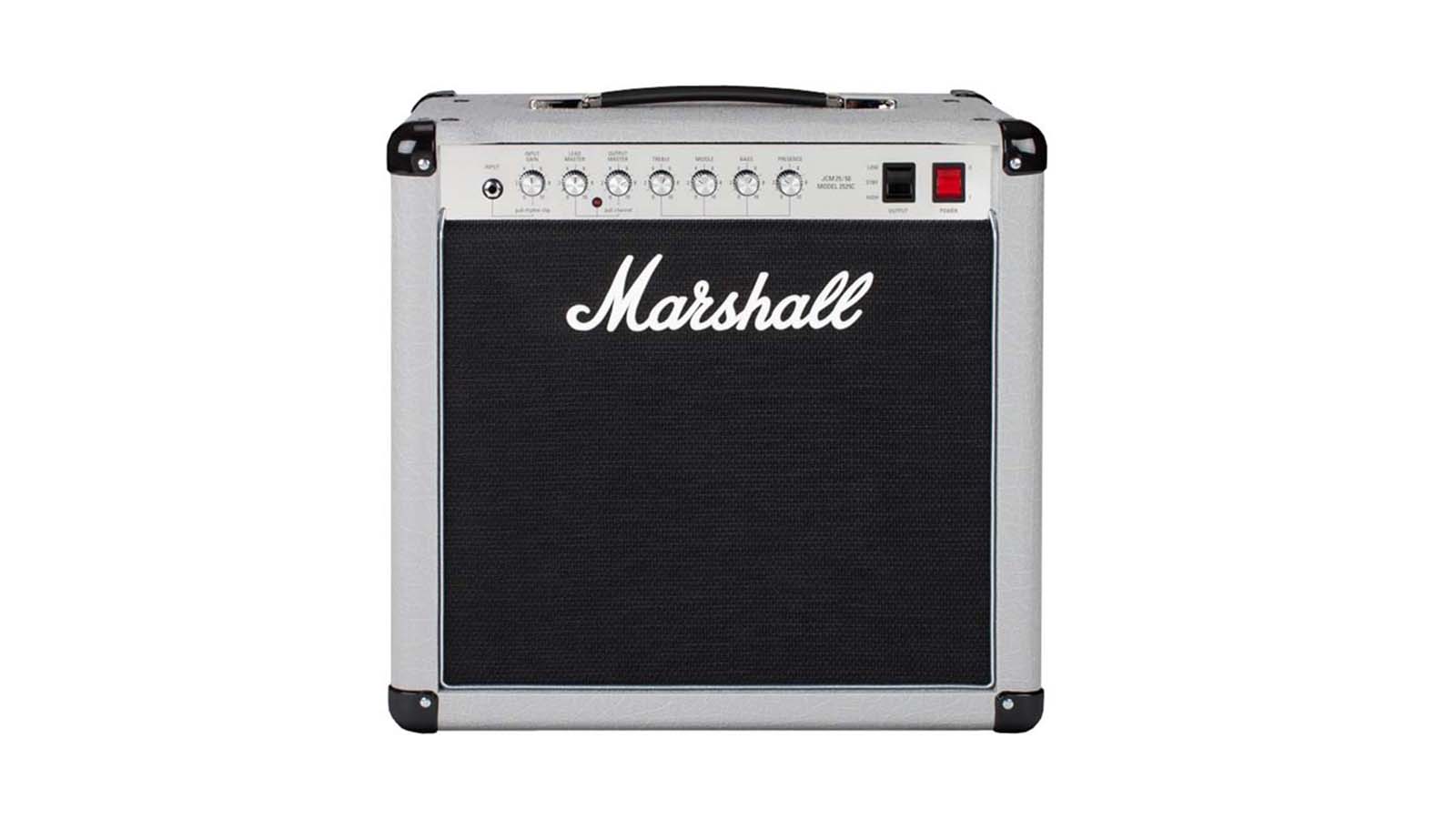
For many years, the Marshall Silver Jubilee was the amp that got away. Produced in limited numbers in 1987 to celebrate fifty years of Marshall, the Silver Jubilee is effectively a JCM800 that has been factory-modded to run a little hotter, and it was something of a minor tragedy that it never entered the always-in-product category its functioning deserved.
This is the Appetite For Destruction tone, the Slash amplifier, and it's i of the nigh rocking amplifiers Marshall has ever assembled. The 2555X caput offers information technology in its original 100w/50w format but the 2525C feels a little more than manageable for today's player. Information technology's still brutally loud in its full 20W mode, only switchable to 5W, it puts that iconic crisis inside reach of the world'southward domesticated stone animals.
The gain structure on the Jubilee is something to behold but the Frusciante-esque cleans are non to be sniffed at either. It sounds skilful with pedals and will definitely stand up up to most drummers. At 750-odd bucks, it represents excellent value. It's a serious rock and metal metallic amp.
Read the total Marshall 2525C Silver Jubilee Combo review
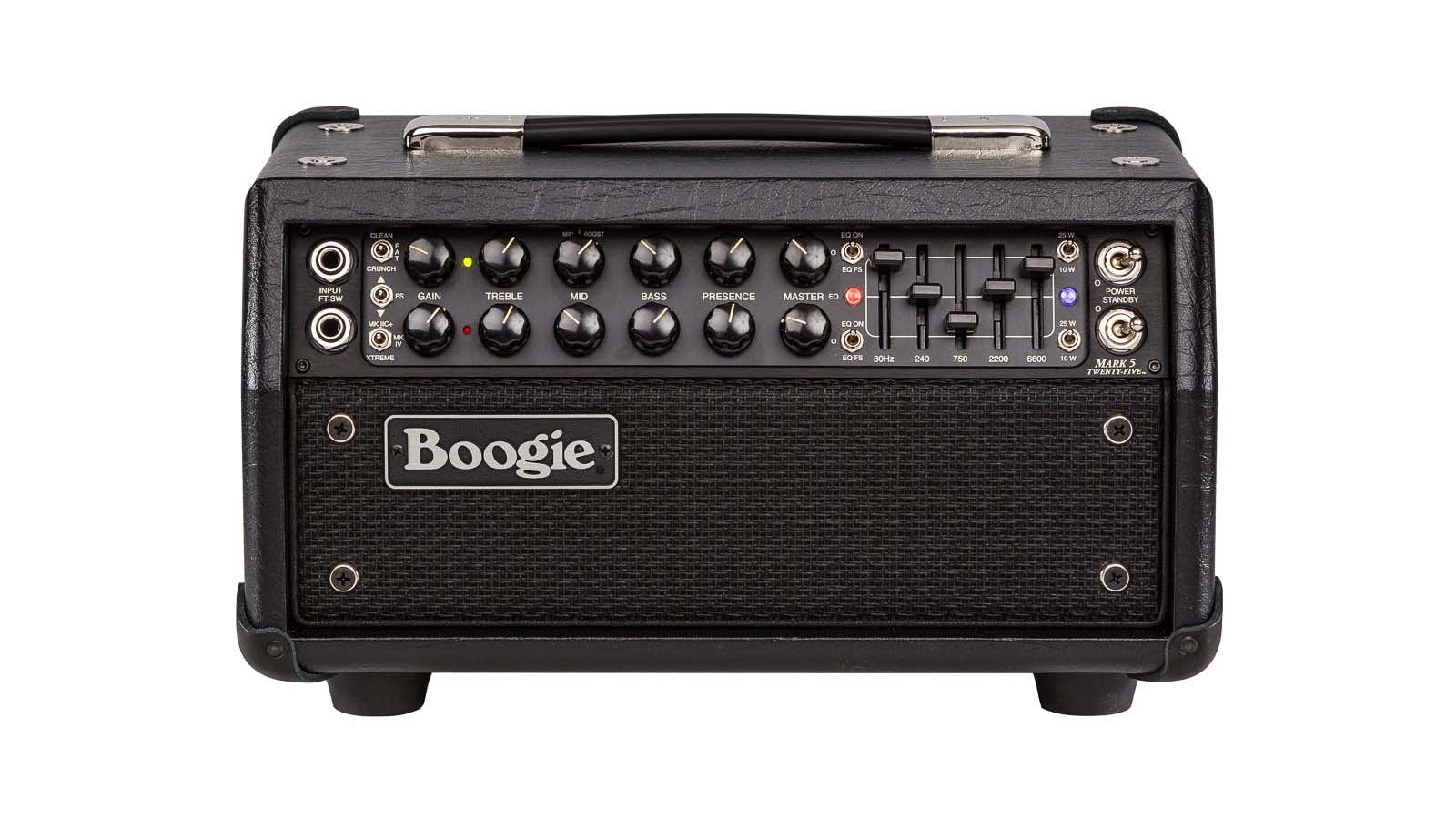
Based on Mesa'southward flagship Marking V, the Mark Five: 25 caput is modest, perfectly formed and typical of Mesa's superlative design and attending to detail. Two contained channels, each with three very different voice presets, combine with Mesa's iconic five-band graphic EQ for a option of 12 sounds. You tin footswitch between the channels, with the graphic on or off for quasi four-channel operation and preset 25 or x watts per channel.
One of the best features lives on the back panel: a CabClone speaker-emulated direct output, with a speaker defeat for silent recording or practice, using the congenital-in headphone socket. Despite the Mark Five: 25's long feature listing, information technology'due south very easy to use and its tones are sensational.
The rhythm channel covers the shimmering clean tones of the modern Boogie and the fatter 'blackface'-inspired midrange of the fabled Mark I, while the Mark Five crunch voice is so deep and three-dimensional you could record an unabridged album with it. The atomic number 82 channel is equally inspiring, with a perfect rendition of the Marking IIC'south overdrive tone (arguably the most coveted Boogie sound), along with more than modern distortion furnishings that sound unbelievably good when tweaked with the graphic.
Read the full Mesa/Boogie Marker Five: 25 review
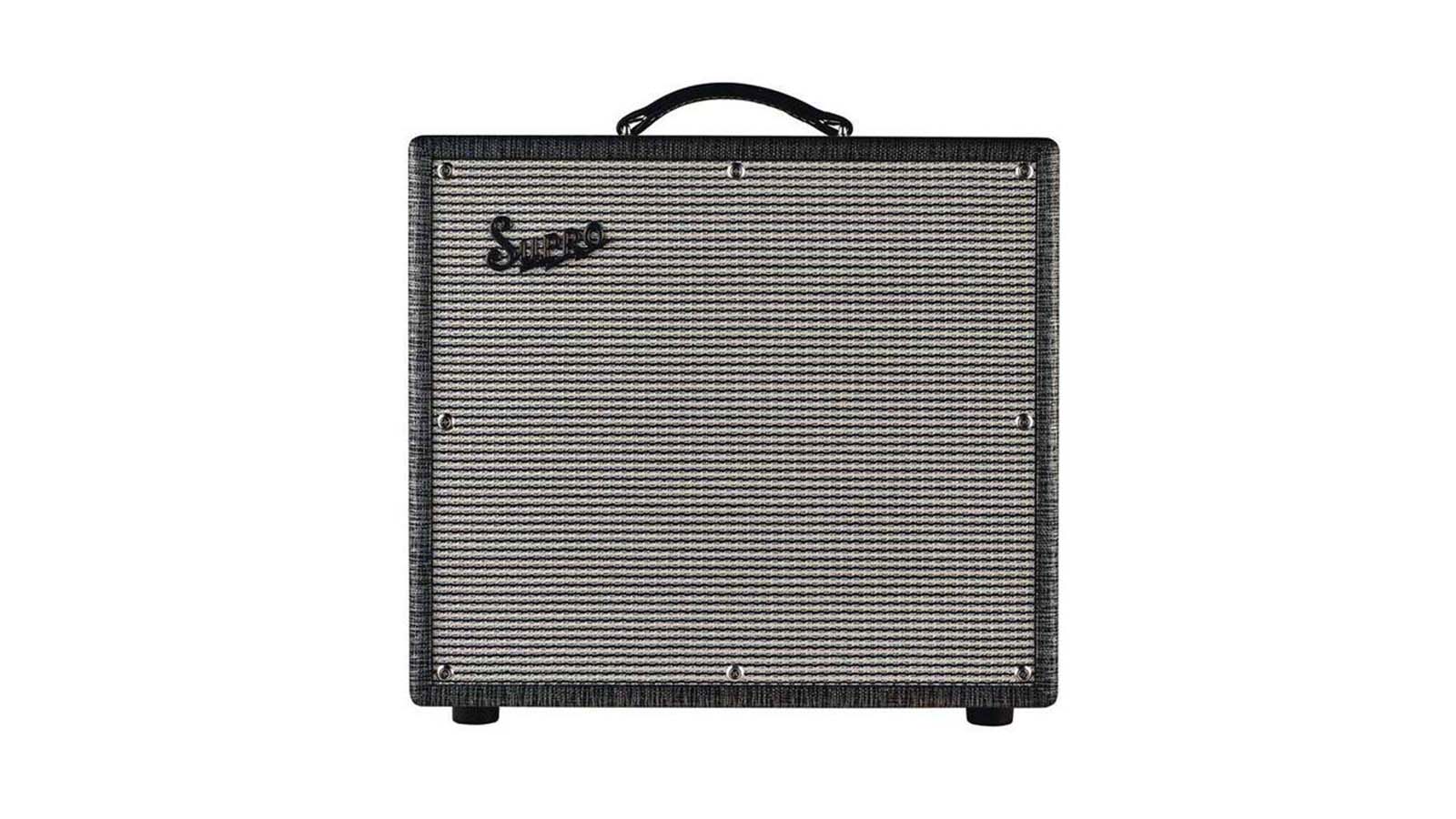
Lenny Kravitz was involved in the blueprint of the 169RT Blackness Magick Reverb, and at his behest at that place is treble, there is reverb, and at that place is master volume. Simply, however, and Lenny would forgive us, the guitarist we think of when we think of the Blackness Magick is Jimmy Page, with the original Black Magick a replica of his one-time Supro Coronado.
Those Led Zeppelin tones wouldn't just autumn out of the box; you had to be generous with the book, but with a master volume command and treble and bass replacing a master tone control, the 169RT Blackness Magick Reverb offers you a safer passage to those houses of the holy. Linking the channels opens up a new borderland in gain for this amp.
The tremolo has been improved, offering upwards to twice the rate of the original amps, while the valve-driven 6-spring reverb allows for some subtle depth and space or a weekend's surfing depending on how you fix information technology.
Read the full Supro 169RT Black Magick Reverb review
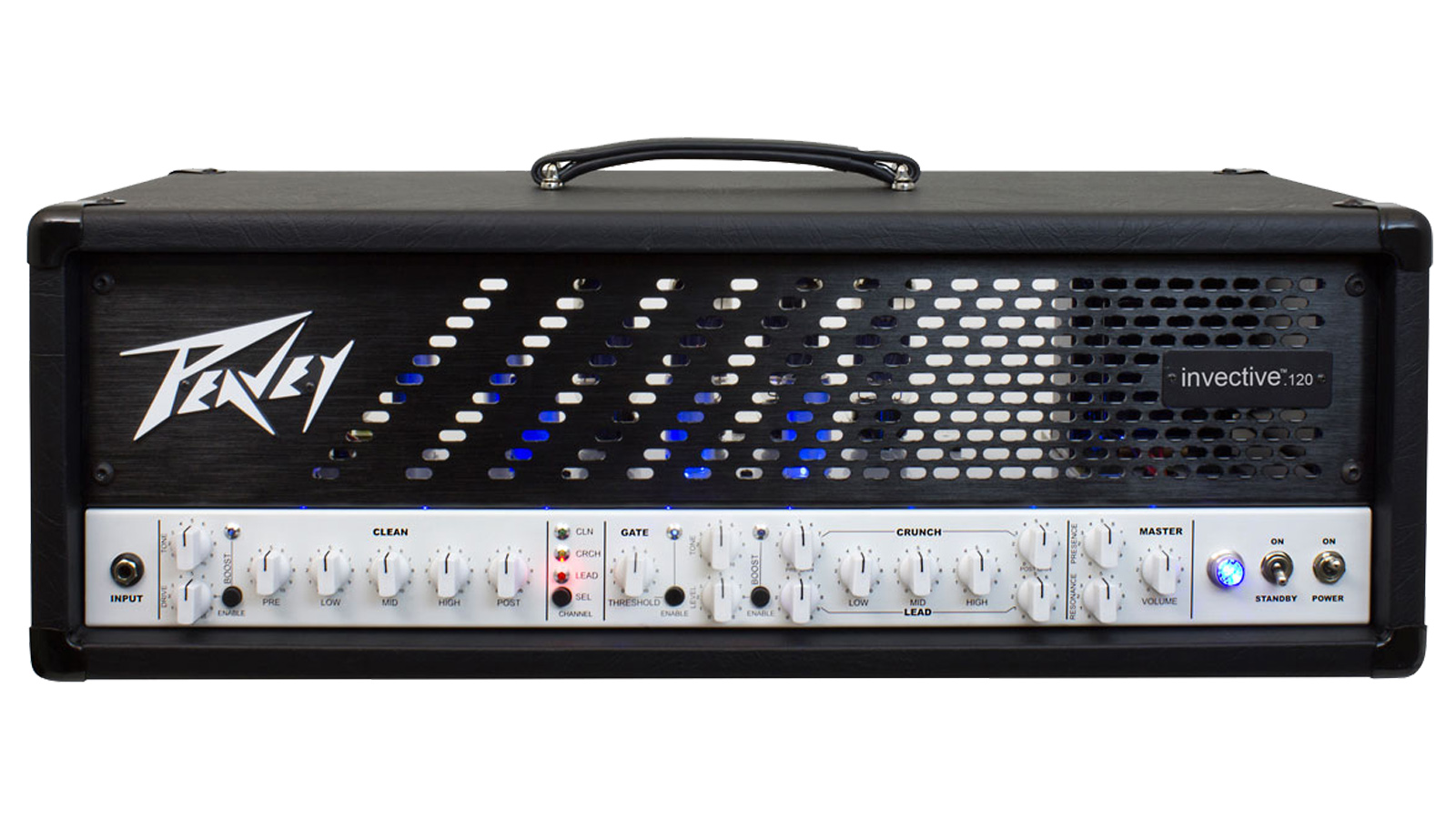
The 6505 has been Peavey's ultimate modern metal amp to beat… until now.
Developed in partnership with Periphery's mastermind Misha Mansoor, the Invective 120 marries pure cleans with spleen-rupturing levels of gain, culminating in what could exist the all-time metal amp we've seen for decades.
The Invective 120 is a fairly sophisticated affair, with MIDI capabilities, power switching, 2 in-built 9V power jacks and pre/post gain controls. These features, forth with iii channels of all-valve goodness, compliment the mod metal guitarist like a fine ruddy vino compliments a posh French cheese.
Yeah, you lot could buy cheaper metallic amps - just what's the indicate when the Invective has everything you need?
Read the full Peavey Invective 120 head review
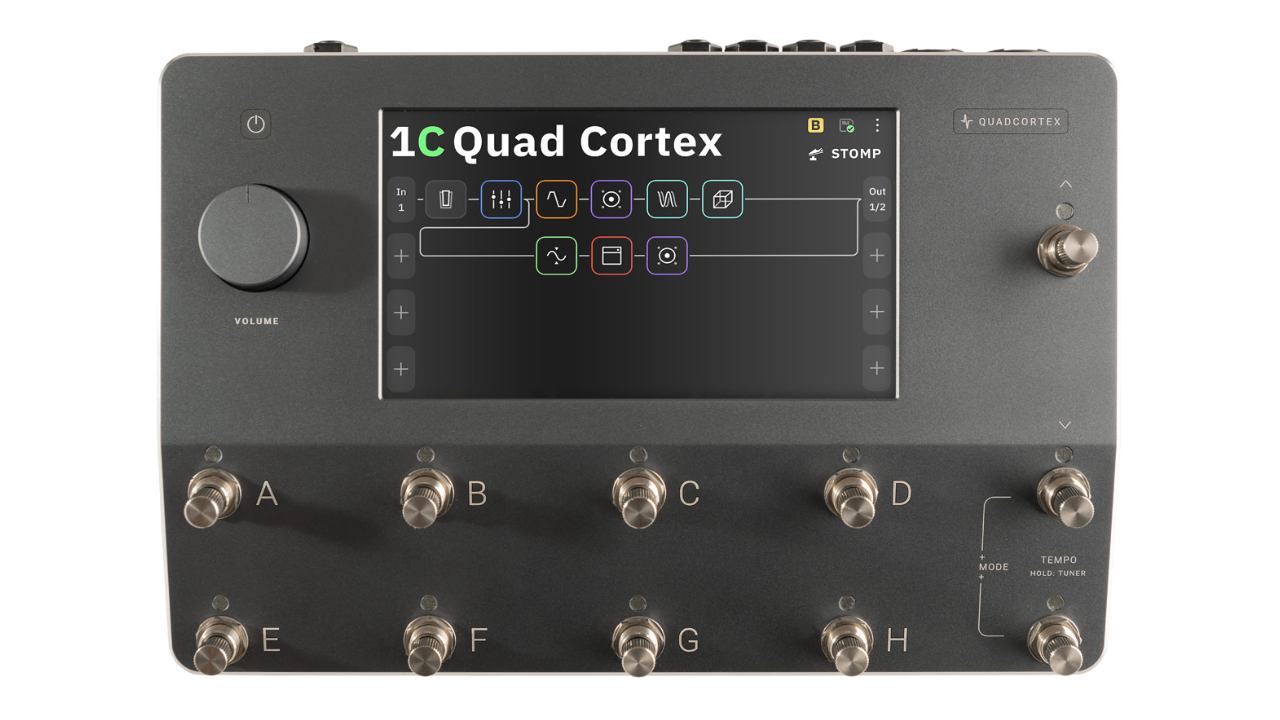
Neural DSP is a proper noun you lot'll have likely heard before if you're familiar with guitar production and software. Responsible for some of the most sophisticated and high-fidelity guitar VSTs in recent memory, Neural DSP has decided to put their amp modelling expertise into their showtime e'er hardware unit of measurement. Meet the Quad Cortex.
With 50+ onboard amp models and over ane,000 more amp algorithms in the sound library - also as over 1,000 impulse responses and lxx+ effects - the QC is designed to sound smashing, look great, and never limit your creativity. The amp models have care of all styles of playing, from ultra-clean land twang to rib-burdensome proceeds and everything in between.
Neural DSP describes the Quad Cortex equally a 'vulgar brandish of ability', and we'd have to agree - although there's nothing vulgar nearly information technology, except the time it made us remember virtually selling all of our tube amps. We're not surprised though, every bit it'south our number one pick in our best amp modellers guide.
Read the full Neural DSP Quad Cortex review
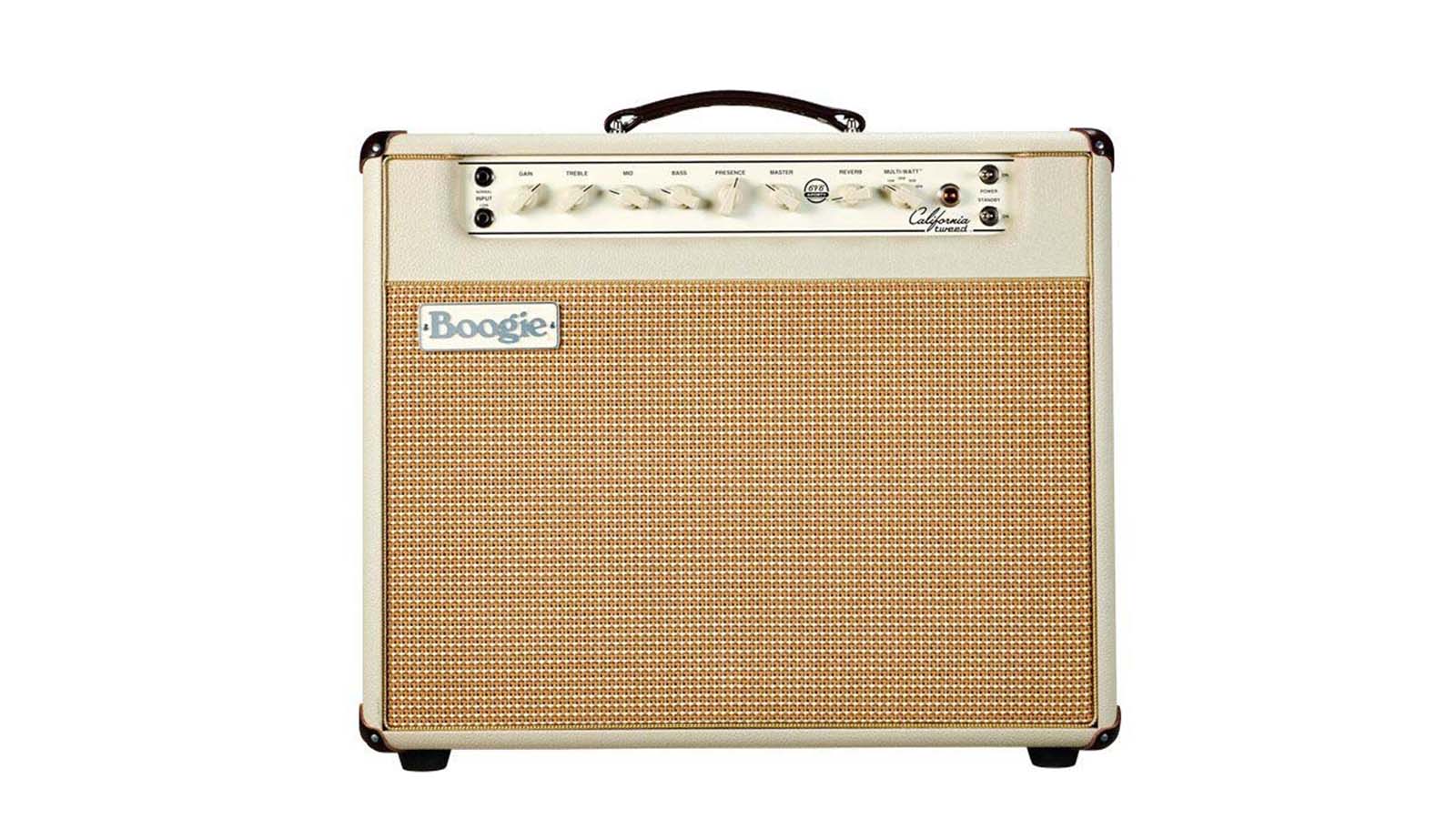
Some Mesa/Boogie amps are fix for the inveterate seekers, players who crave options and lots of them, so the California Tweed feels like a alter of step. It is a uncomplicated, unmarried-aqueduct affair, with high and low-gain inputs on a simple front panel with controls for gain, presence, reverb and main volume and a 3-ring EQ, and it offers instant access to the finest Tweed tones you can buy, all sauced past the sweetest valve-driven leap reverb.
A v-style rotary punch lets y'all switch up the California Tweed's output, offering v different power outputs from a full 40 watts, where the headroom is gin clear, right downwardly to 2 watts, where information technology is a trivial more squashed, ideal for the home, and full of Baton Gibbons' Texas crisis when you dime the proceeds.
The California Tweed is scenic, a throwback to a golden era in guitar amplification, but very much built for today. It'd make a fine pedal platform, with a series effects loop and a Jensen Blackbird Alnico that can handle a lot of volume. Exceptional all round.
Read the full Mesa/Boogie California Tweed review
All-time guitar amps: Buying advice
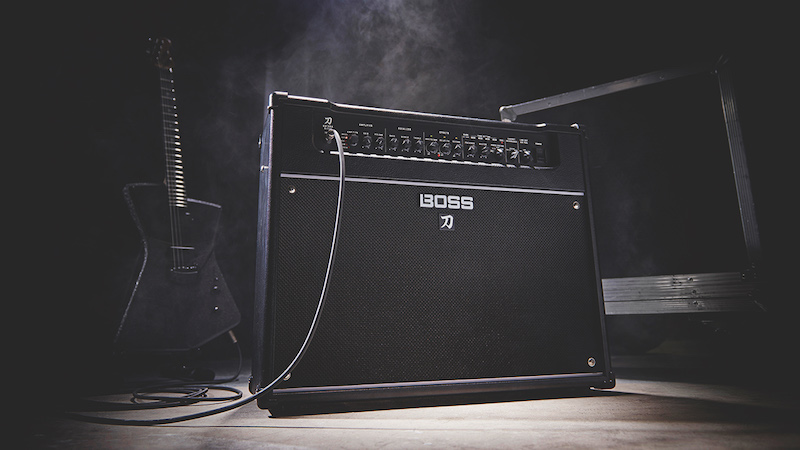
Amplifiers have been around longer than the electric guitar. Early on units were made every bit portable PA speaker systems around the starting time of the 20th century. Since the invention of the electrical guitar, however, amplifiers designed specifically to enhance the indicate from an electrical guitar have come in all different shapes and sizes, with a massive range of different features bachelor. Finding the best guitar amp for you will involve because a few cardinal points before buying. Let'due south take a look.
Tube amp vs solid state vs digital amp?
At first, all guitar amps were tube amps, that is until transistors were invented and utilised in amp technology - these are known as solid state amps. Despite solid state amps usually being lighter and cheaper, many players still prefer the tone and response that you get from a tube amp.
As you turn the volume up on a tube amp, you start to get a natural breakup to your sound - this is harmonic distortion which is perceived equally the nigh organic blazon of overdrive. You lot'll besides go some natural compression happening, plus they respond actually well to your picking manus, assuasive y'all to play with loads of dynamics. Nearly of the guitars yous hear on rock, country, blues and many more records are probable to have been played through tube amps - they're withal very much the gold standard for a lot of players.
Amps like the Boss Katana accept some great make clean sounds, aslope high gain tones, with everything else in between.
However, tube amps aren't always practical - if you desire a practice amp for home use, and so you probably won't be able to turn information technology upwardly without your family or neighbours complaining. This is where solid state and digital amps can be useful - they volition sound the same, regardless of the book you're playing at. Even so, if you're playing in pretty large venues, then yous'll get abroad with cranking your amp to actually get those tubes singing.
Solid land amps also won't misconstrue as you plough them upwardly, and so if you lot want a clean sound and desire to exist able to turn information technology up loud, then they tin be a expert selection. They also make a great platform for pedals. If y'all've got a distortion or overdrive pedal that y'all like the sound of, you lot can run those through your make clean solid state amp and get a consequent audio everywhere you lot play.
Digital and modeling amps quite often have a bunch of different sounds congenital in, then they're great if y'all want versatility. Amps similar the Boss Katana have some not bad make clean sounds, alongside high gain tones, with everything else in between. Y'all'll ordinarily find effects built in too, saving you money on pedals. Loftier-end digital amps similar the Kemper have a range of sounds congenital in that are essentially digital snapshots of certain amps. This gives you authentic tube-similar tone, in a digital package - the best of both worlds!
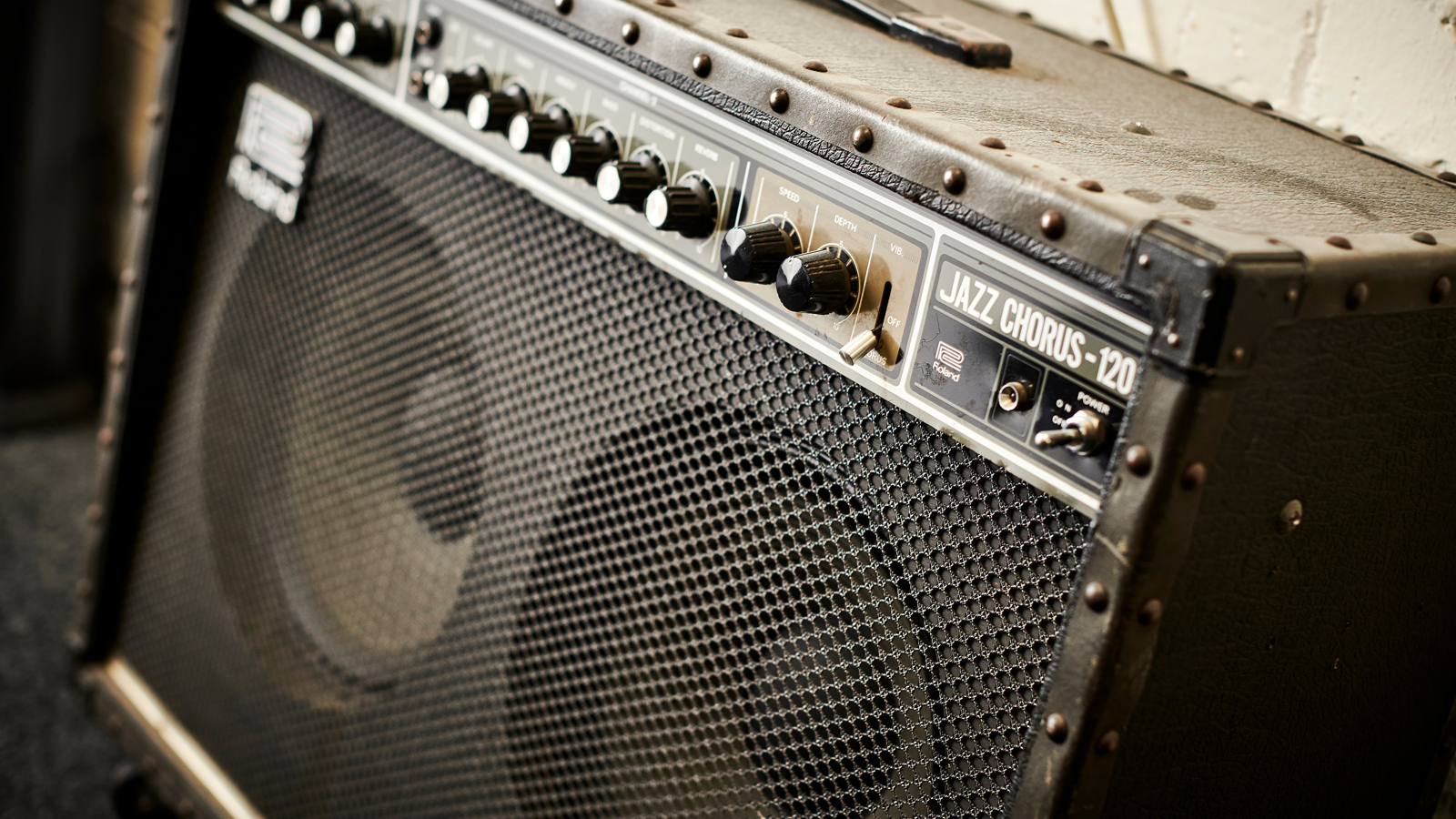
Caput vs combo vs pedal amp: which format is correct for you?
When buying an amp, it'due south worth thinking about whether y'all desire a combo, or a head. A combo is all parts of your amp, plus the speaker - everything's in one box, as it were. A head is the preamp and power amp section, and requires an external speaker, or cab, for you to actually hear anything. Heads tin be useful if y'all're gigging, as many venues have a house cab, so you can just plow upward with your guitar and head.
The question of head versus philharmonic has been complicated in contempo years past the dawn of the pedalboard amp – a guitar amp that's housed in an enclosure the size of a small-scale multi-effects unit, withal often powerful plenty to supersede your amp caput.
The benefits are obvious with a pedalboard amp. Throw information technology in your haversack and you're fix to become. They can be super versatile too, with the likes of the iv-channel format of BluGuitar's Amp 1 offering a lot of tones for its price and footprint.
But this all depends on how important portability actually is to you. The traditional amplifier head, which you would then hook up to an external speaker cabinet, remains a hugely appealing prospect, particularly if you take a speaker cabinet ready to go at home, and if yous regularly pay for rehearsal space at a studio they're sure to accept a cabinet ready and waiting.
On the flipside, the combo is an amplifier and speaker all in one neat piddling box. Size definitely matters here. A modest combo with a single ten-inch speaker tin can still exist a significant brunt to cart effectually, but for many of us, the convenience of having an all-in-one setup is merely besides great - especially if it'south mostly going to be kept at dwelling.
How much ability do you demand?
Retrieve about wattage also - if you lot just want to play at habitation, then a minor guitar amp with a low wattage will do fine. If you're going down the tube amp road, go for as low a wattage as possible - that manner yous tin can crank the preamp department, and it won't deafen everyone! Likewise with solid land and digital amps, whilst the tone won't vary too much depending on the volume, there'southward no point paying for more than yous need.
If y'all're looking to play some gigs, then yous'll desire to go for something with a chip more power. It's worth noting here that the perceived book of tube amps and solid state/digital amps is not the aforementioned - that is, usually, a 20W tube amp will be louder than a 20W solid country amp. 15/20W is a fairly sugariness spot for tube amps if you're playing small to medium gigs as yous can push them nicely into overdrive whilst keeping on the good side of the audio technician. For solid land and digital amps, you lot'll probably want to look effectually 100W to really be heard at shows.
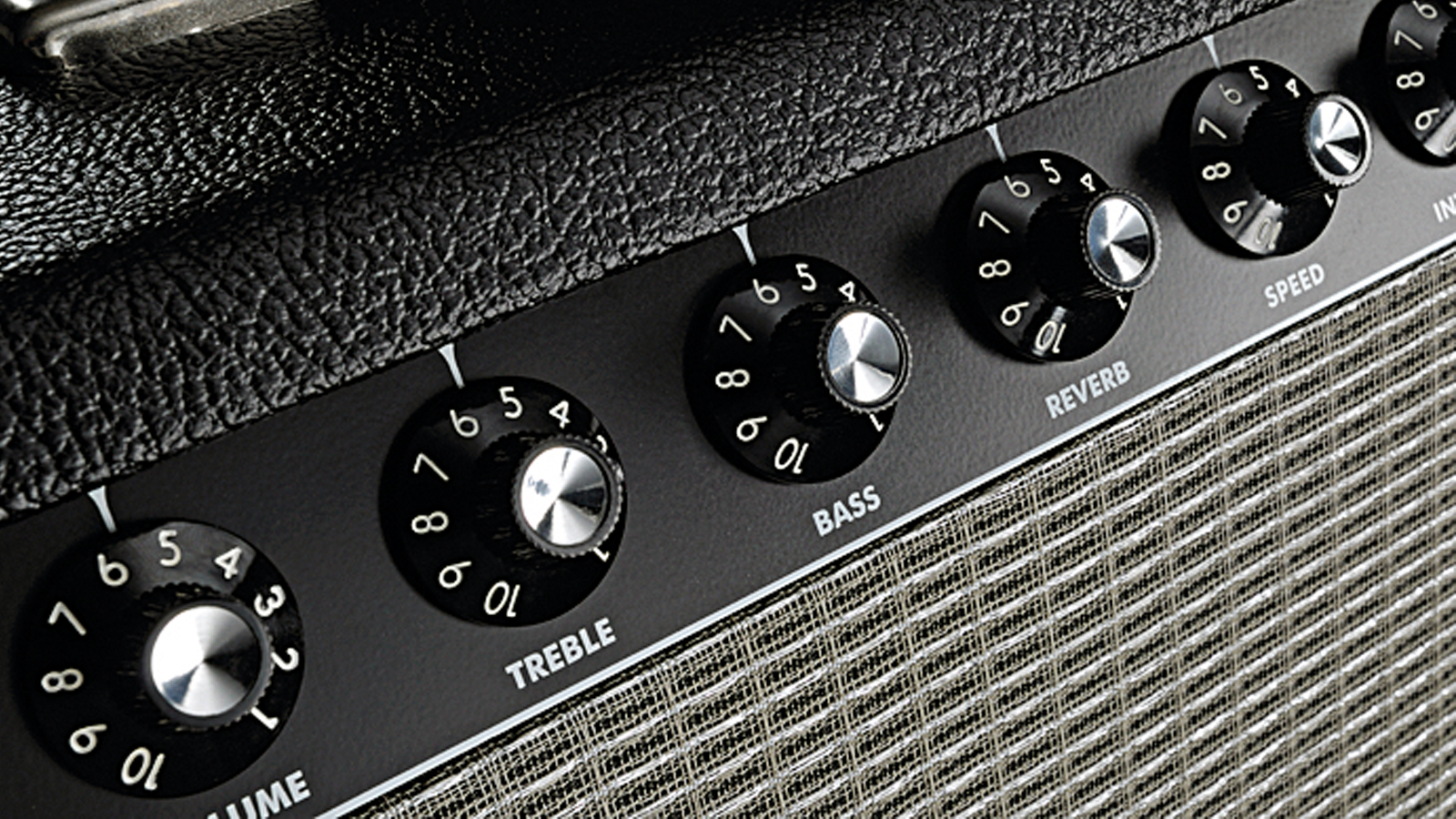
Which amp brands make the best amps?
Well, that's a tough question to respond. The beauty of guitar amps is that they are all different, and have different tones and characteristics. It's worth figuring out what sounds you lot like starting time. You lot'll have a ameliorate idea of the right amp brand for you once you've got that figured out.
For the clean players among the states, brands such as Fender and Vox are two brands to pay attention to. Their guitar amps are mostly tube amps, so they produce an organic, harmonically-rich tone. Fender amps tend to sound a flake warmer and smoother than Vox amps, which are designed to sound quite bright and well-baked. Brands such equally Victory are worth keeping in mind besides, as amps like The Duchess and The Copper are boutique takes on Fender and Vox amps, respectively.
If yous're more than keen for a metal amp, then Mesa Boogie, Hughes & Kettner and Peavey all accept y'all covered - though lots of metal players are going digital these days, too.
If digital is something that interests you, then you tin't really go any meliorate than the Neural DSP Quad Cortex. One of the newest additions to the world of amp modelling, it'due south capable of delivering any amp tone you can dream of to your feet. Impressive, huh?
You also can't go wrong with a Marshall - the JCM800 is a classic for a reason, particularly for straight upwardly rock players - and the remainder of their amp lineup is killer, too.
How much should I spend on a guitar amp?
Price is also a consideration - all of the amps in this guide are a expert choice, but if yous're a beginner so y'all don't really need to spend loads on a chamber amp - you tin can get something cool for well under $/£500. If you're looking to step up to a professional rig, whether tube or digital, then for top-notch tone and reliability, you're probably going to exist looking at spending up to $/£grand - maybe more than.
Is buying an amp online a good idea?
You lot needn't be worried nigh ownership an amp online earlier trying it out. Online music instrument retailers similar Thomann, Sweetwater and Sam Ash offer hassle-free returns as standard, so y'all tin can purchase an amp, play it in the comfort and privacy of your home and, if it's non for you, send it dorsum with ease. Bank check the specific returns policy for your chosen retailer earlier you lot purchase, but most offer between 30-45 days to return an item, as long as information technology's in original condition.
- These are the all-time budget guitar amps nether $500/£500
- The best guitar amps nether $/£one,000: top heads and combos
- If money's no object bank check out the best loftier-terminate guitar amps
- Practice more than with the best guitar amp headphones

Source: https://www.musicradar.com/news/the-best-guitar-amps-for-beginners-and-experts
Posted by: nealthavestoon.blogspot.com
0 Response to "What Would Be Your Favorite Clean Amp And Favorite Dirty Amp"
Post a Comment